We have all noticed it while running a warm iron over the back of a freshly washed collar. Right there, perched quietly at the center of the shoulder yoke, sits a tiny strip of folded fabric. If you have ever caught yourself wondering about that little loop on the back of a button-down shirt, you are far from the only one. It looks decorative at first glance, like a charming leftover from a busy tailoring table.
Yet that tiny ribbon of cloth carries an unexpected history. It solved real everyday headaches long before modern walk-in closets, contoured velvet hangers, or quick-turnaround dry cleaners existed. Once you understand why it is there, you will look at your favorite everyday button-downs with a whole new level of appreciation.
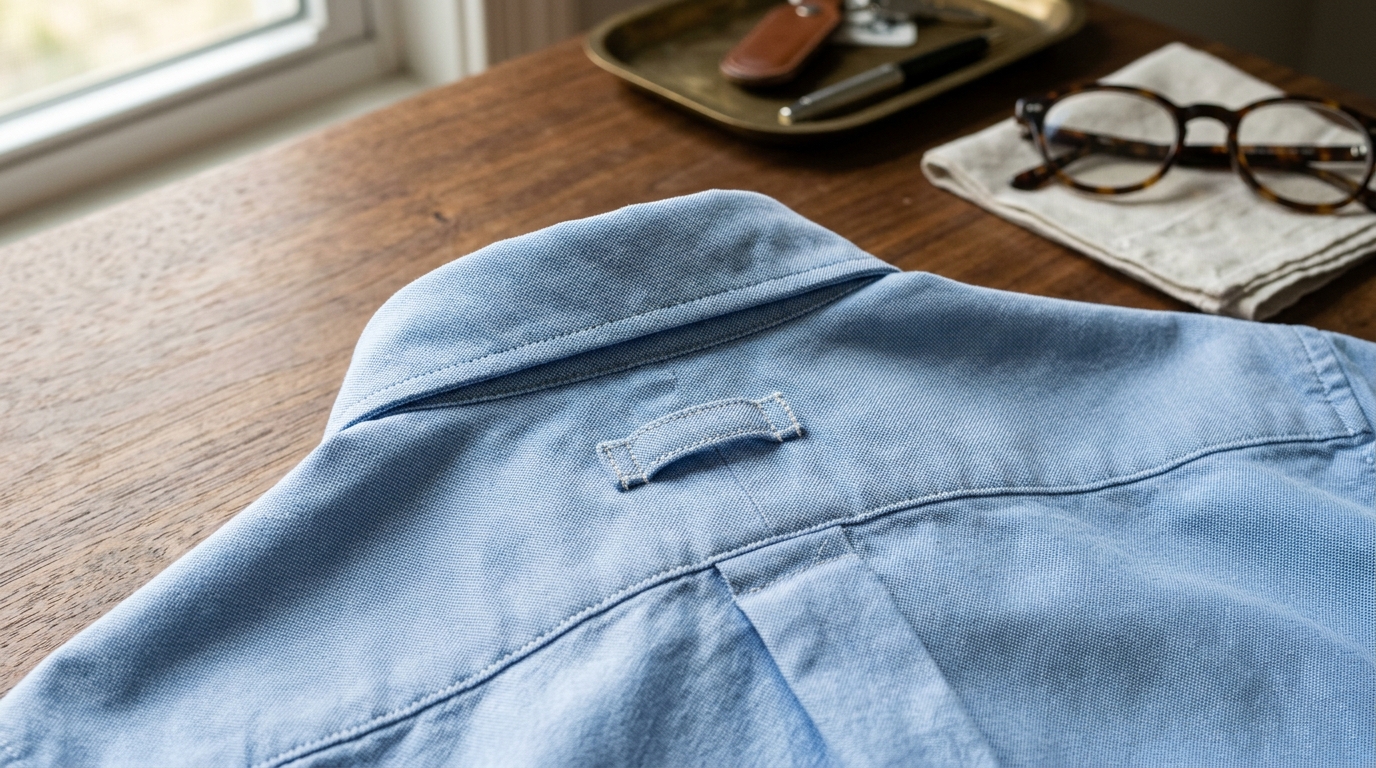
That discreet fabric loop beneath your shirt collar carries over a century of clever tailoring.
The Sailor’s Solution: How Naval Life Created the Locker Loop
The story starts at sea with the sailors of the United States Navy in the early twentieth century. Shipboard life was cramped, salty, and relentlessly tight on storage. Sailors shared compact quarters with stacked bunks, narrow metal lockers, and barely an inch to spare for personal belongings.
Standard clothes hangers simply did not fit into narrow naval lockers. Tossing a clean, crisp uniform into a sea bag or folding it flat into a drawer left it a crumpled mess. Worse, damp ocean air trapped inside folded fabric created mildew and stubborn musty smells.
Tailors solved the dilemma by stitching a small, reinforced piece of matching cloth right beneath the rear collar band. Sailors could hang their shirts directly on wall hooks or locker pegs between shifts. The shirt hung straight, moisture evaporated quickly, and the front placket stayed smooth and presentable.
This simple fix became known as the “locker loop” or “backstay loop.” It was pure, utilitarian problem-solving born out of tight spaces and practical daily needs.
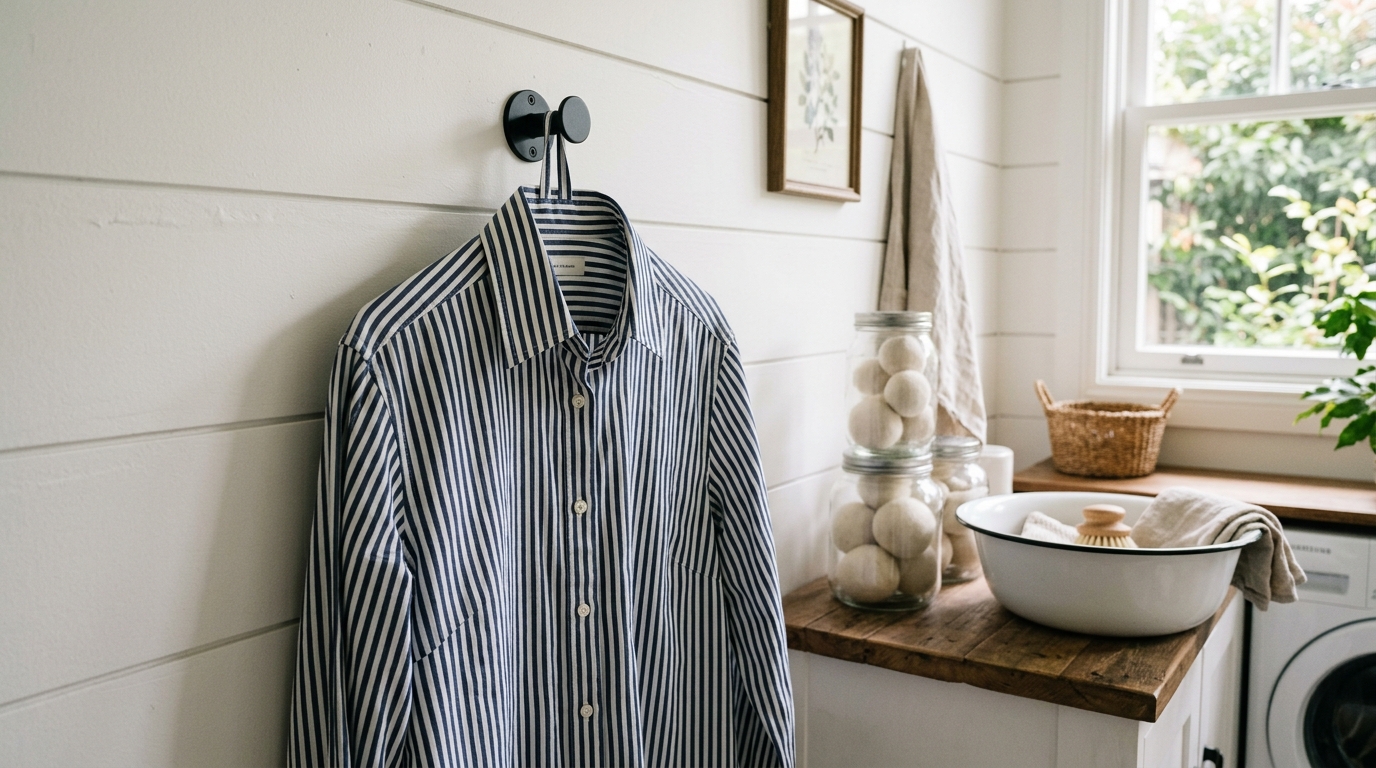
Hanging damp or pressed shirts by the back loop prevents shoulder dimples and keeps collars crisp.
From Sea to Campus: The Ivy League Style Craze
Practical military garments have a habit of migrating into mainstream civilian wardrobes. When service members returned home, they brought their sturdy, dependable clothes with them. By the late 1950s and 1960s, classic collegiate fashion took hold across American university campuses.
Shirtmakers like GANT in New Haven, Connecticut, adopted the locker loop as a signature hallmark of their Oxford cloth button-down shirts. Yale students fell in love with the look. They could hang their shirts on gym locker hooks after rowing practice or squash games without ending up with wrinkled collars for afternoon lectures.
Before long, the little loop took on a life of its own in campus social life. College folklore quickly attached romantic meaning to that small strip of cotton.
If a young man began dating someone exclusively, he would carefully snip the loop off his shirt to signal that he was off the market. In response, his partner might wear his school scarf or pin. Some students even made a game of sneaking up behind friends in crowded hallways to yank the loops off unattached classmates.
“What began as a clever way to keep naval uniforms off damp ship decks turned into an unmistakable badge of mid-century campus style.”
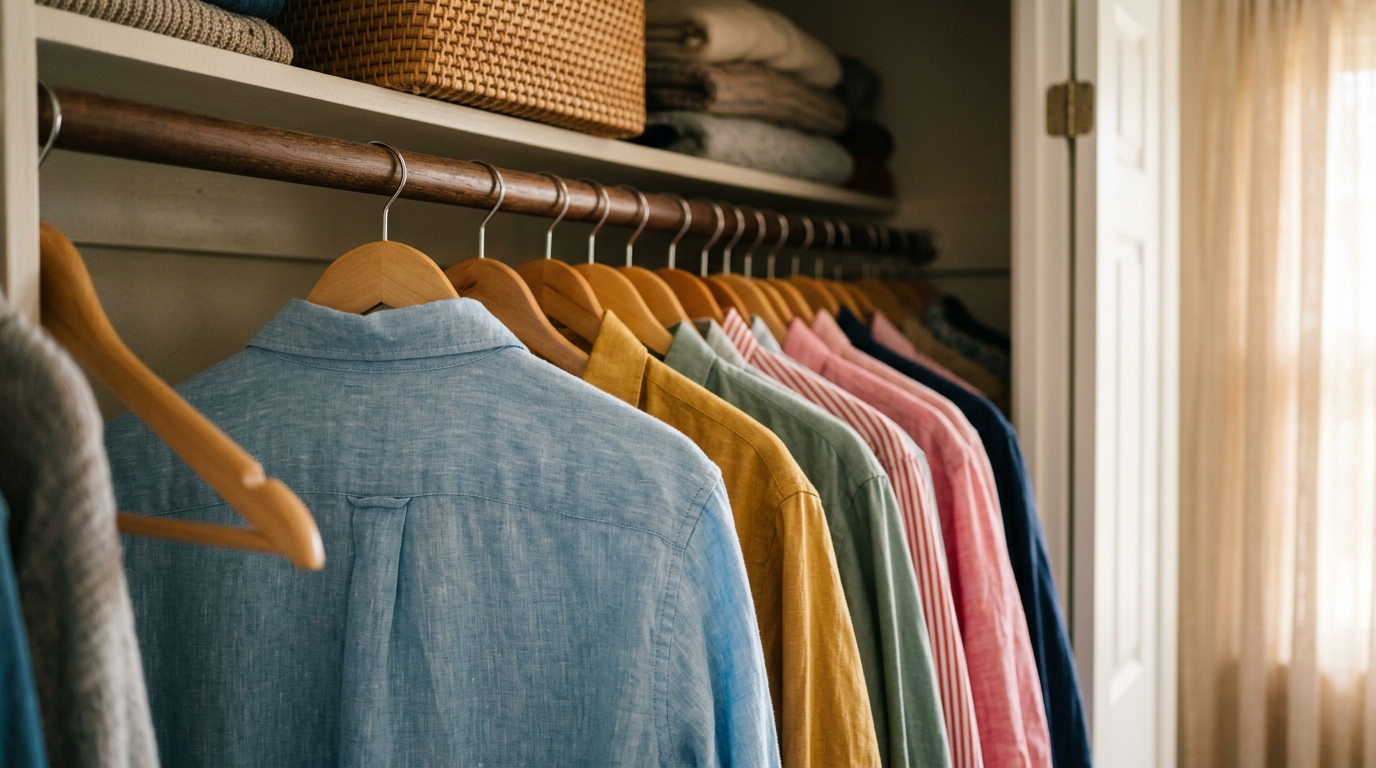
Classic Oxford cloth shirts balance timeless tailored construction with effortless everyday wear.
Tailoring Secrets: Why the Best Shirts Still Feature It
Look closely at where that small loop attaches to your shirt. You will almost always find it stitched directly at the peak of a center box pleat, right where the back panel meets the yoke. That placement is not an accident.
A center box pleat gives your shoulders extra freedom to move, bend, and reach without pulling the fabric tight across your chest. Placing the loop directly at that reinforced seam spreads the downward pull across the sturdiest part of the garment.
When you hang a shirt by its locker loop, the weight rests on the structural yoke rather than the delicate roll of the collar stand. This keeps the collar from warping, creasing, or losing its crisp shape over years of use.
Modern fast-fashion brands often cut corners to shave seconds off the sewing line. Leaving off the locker loop saves a manufacturer pennies in fabric scraps and labor time. Finding a loop on your shirt today is often a subtle calling card of traditional tailoring and thoughtful heritage construction.
The Hidden History of the Loop on the Back of a Button-Down Shirt in Modern Closets
Even though most of us have closets full of sturdy wooden hangers, that humble fabric tab remains surprisingly useful around the house. Knowing a few handy routines can save you time on busy mornings and laundry afternoons.
First, try hanging your washed button-downs by their loops during line drying. Wire and thin plastic hangers often leave annoying “shoulder dimples” or pointy puckers in damp cotton. Hanging a damp shirt on a smooth peg by its backstay loop lets the fabric fall naturally under its own weight, drying evenly without stretched shoulders.
Second, it makes quick touch-ups with a handheld clothes steamer completely fuss-free. Loop the shirt over a bathroom towel hook or shower curtain rod. You can steam the entire front, collar, and sleeves with both hands free, without wrestling a swinging hanger.
Third, it is a lifesaver when traveling or stopping by the gym. Hotel bathrooms and fitness lockers rarely have enough proper hangers. Slipping the shirt loop over a sturdy wall hook keeps your freshly pressed layers off dusty surfaces and away from damp countertops.
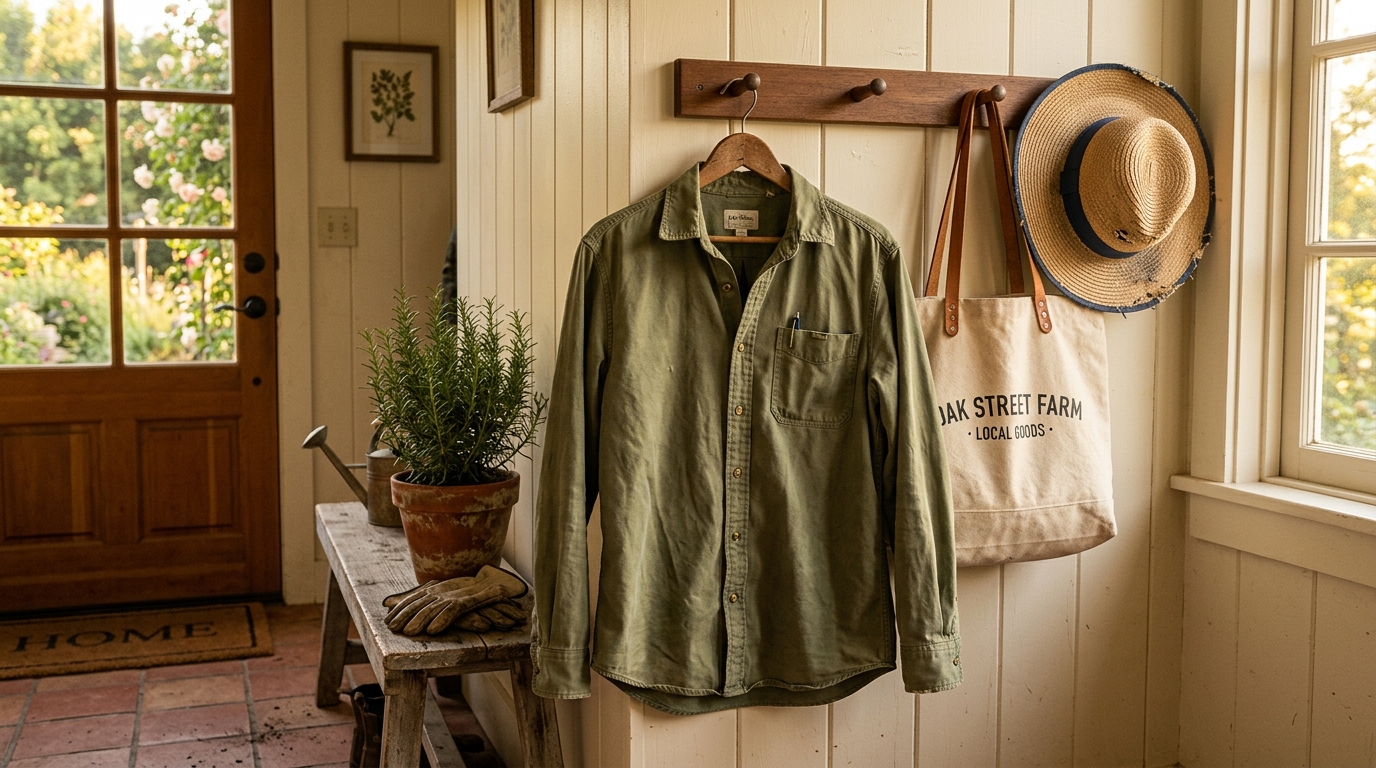
From naval ships to modern coat racks, the humble back loop keeps daily layers easy to grab on your way out.
A Quick Guide to Garment Peg Etiquette
- Check the Stitch: Always give the loop a gentle tug before hanging a heavy damp shirt to ensure the anchor stitching remains strong and secure.
- Use Rounded Hooks: Choose wide, smooth wooden or silicone-coated pegs to avoid wearing down the inner fold of the fabric loop.
- Give It Air: Hang freshly worn shirts by their loops for twenty minutes in an airy room before tucking them back into a dark closet.
How to Care for Classic Button-Down Shirts
A well-made Oxford cloth or poplin shirt can last for decades with a little thoughtful attention on wash day. Treat the cotton with care, and those heritage details will stay looking sharp year after year.
Wash your shirts in cool water on a gentle cycle using a mild liquid detergent. Harsh hot cycles and aggressive agitation break down the fine cotton fibers around the collar points and yoke seams.
Skip the scorching heat of commercial dryer cycles whenever you can. Tumble drying on high heat bakes the cotton fibers, causing shrinkage around the collar band and weakening the thread on the locker loop.
Instead, shake out the damp shirt, smooth the placket flat with your fingers, and hang it to dry. A quick pass with a warm steam iron while the fabric is barely damp leaves you with a crisp, breathable shirt ready for whatever the week brings.
The Enduring Charm of Small Everyday Details
Learning the story behind the loop on the back of a button-down shirt proves that thoughtful design never really goes out of style. What began as a sailor’s practical trick over a century ago remains a quiet mark of quality on our clothes hangers today.
The next time you pull a crisp button-down from your wardrobe, take a second to touch that little cloth loop. It is a tiny reminder that the best household objects are the ones built with purpose, patience, and history in every single stitch.

Emma D. is the creator, administrator, and voice behind Forum Sever. With a deep-rooted passion for vintage charm and practical living, Emma shares thoughtful homemaking guides, creative DIY projects, heirloom gardening advice, and stories celebrating everyday nostalgia.
Whether reviving timeless family recipes, propagating backyard perennials, or transforming thrifted finds into cozy home centerpieces, her goal is simple: helping readers cultivate a warm, intentional, and handcrafted life. When she isn’t managing the community at Forum Sever, you’ll likely find her in the garden with dirt on her hands, a notebook by her side, and a warm cup of herbal tea nearby.