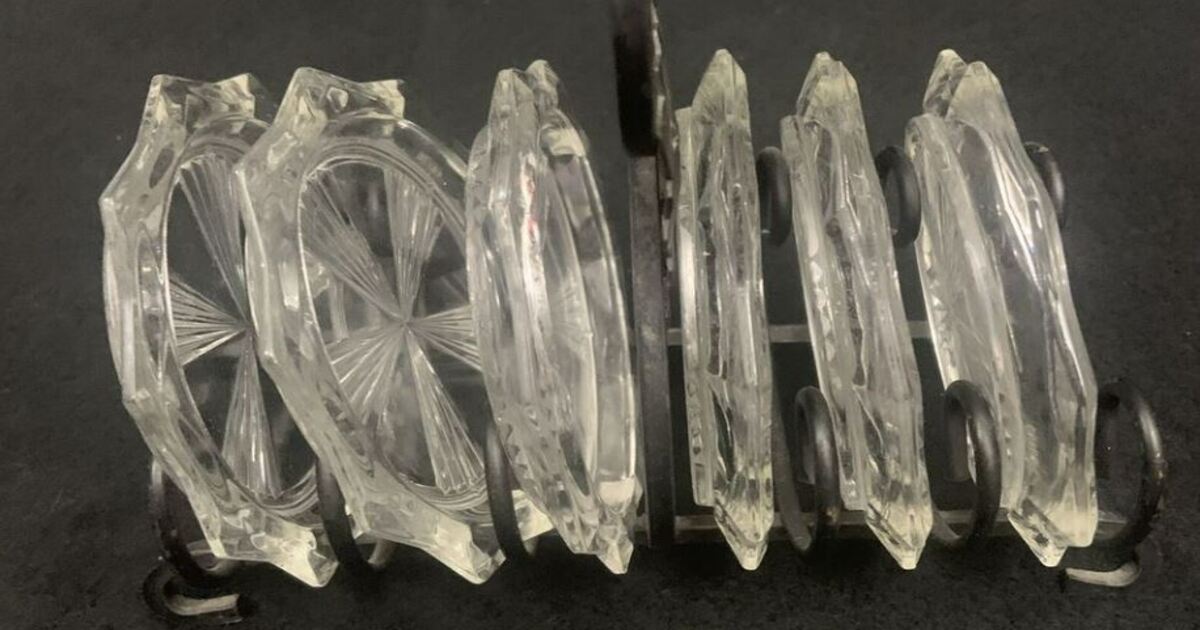
Heavy pressed-glass castor cups often hide in dusty thrift bins, waiting for a second life.
You have probably spotted them in thrift store bins or estate sale basements. They sit taped together in heavy stacks of four, priced at two dollars, often mistaken for tiny ashtrays or chunky drink holders. In reality, these heavy disks are authentic vintage glass furniture coasters, historically known as glass castor cups or furniture shoes.
Long before peel-and-stick felt pads hit hardware store shelves, these thick glass disks protected delicate floors from heavy wooden dressers and cast-iron beds. So, if you love functional antiques that cost less than your morning coffee, these sturdy little pucks deserve a spot in your shopping basket. Let us explore how to identify, clean, and use them throughout your modern home.
What Are Vintage Glass Furniture Coasters?
Back in the late nineteenth and early twentieth centuries, household furniture was remarkably heavy. Solid oak sideboards, brass beds, and overstuffed armchairs rested on tiny metal or wooden wheels. As a result, those narrow wheels exerted intense pinpoint pressure, gouging soft pine floorboards and ripping wool carpets.
To solve this headache, glassmakers created thick castor cups with deep central wells to cup furniture feet securely. The wide, solid base distributed hundreds of pounds across a wider surface area. Consequently, pieces stayed put without sinking into rugs or scarring expensive timber.
Unlike rubber, which dries out, or thin wood cups that split under stress, pressed glass proved nearly indestructible under downward force. Glassmakers quickly realized these practical floor protectors could double as decorative accents. Soon, factories produced ornate pressed patterns that sparkled beneath heavy sofas.
How to Spot Authentic Antique Glass Castor Cups
Not every small glass saucer at the flea market started beneath an antique sofa. However, knowing a few key physical traits will help you pick out genuine castor cups in seconds.
- Substantial Weight: Pick one up, and you will notice immediate heft. Unlike fragile drink coasters, furniture castor cups use thick, dense soda-lime glass built to endure heavy loads.
- Raised Protective Rims: Look for a distinct outer wall. This high ridge prevents furniture wheels from rolling out when you sit down.
- Smooth Flat Tops: Intricate patterns are almost always pressed into the underside. This keeps the inner cup level while the textured bottom hides floor dust.
- Rich Color Varieties: Most found today are crystal clear. However, you can also stumble upon gorgeous depression-era green, amber, cobalt blue, and blush pink glass.
Famous American makers like Hazel-Atlas, Fenton, and McKee churned out millions of these cups between 1890 and 1950. In fact, finding complete sets of four or six is still remarkably common today.
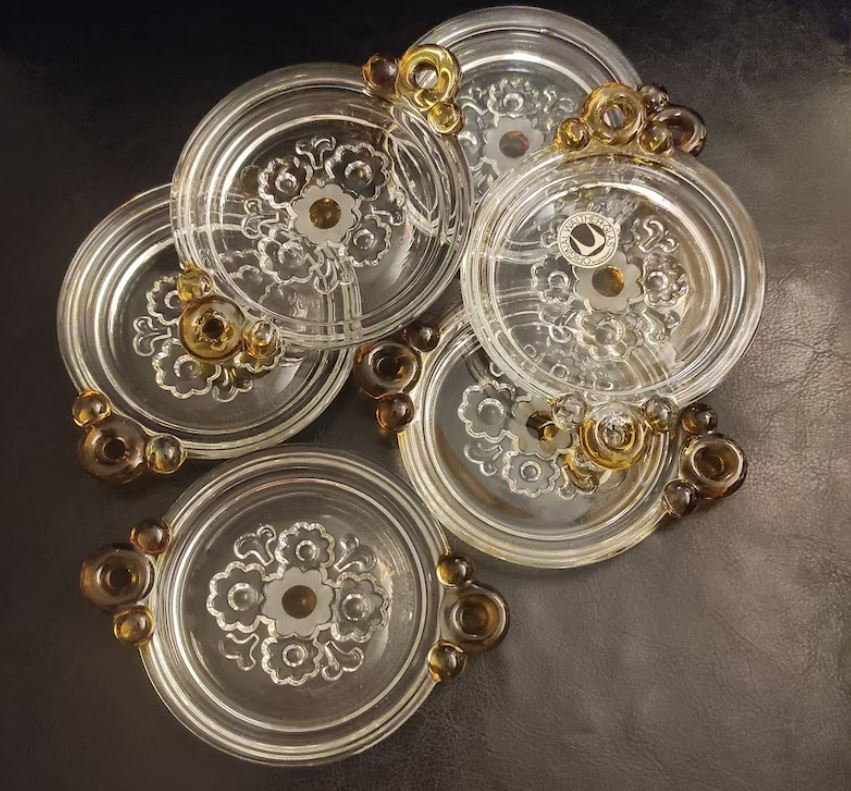
The raised perimeter stops delicate rings and studs from sliding into the sink drain.
7 Brilliant Ways to Style Vintage Glass Coasters Today
While they still protect floors like champions, these vintage gems shine as versatile accents across every room. Here are seven smart ways to bring them into your daily routines.
1. Ring Dishes and Vanity Catch-Alls
Keep a patterned glass coaster next to the kitchen sink or on your bathroom counter. The raised glass lip prevents small earrings, wedding bands, and hairpins from sliding down the drain. Plus, the faceted glass catches morning sunlight and adds instant charm to your vanity.
2. Drip Trays for Mini Houseplants
Finding functional saucers for tiny two-inch terracotta pots is surprisingly difficult. Luckily, vintage castor cups match that exact diameter. They catch excess water droplets after morning watering, preventing ugly water stains on sunny windowsills.
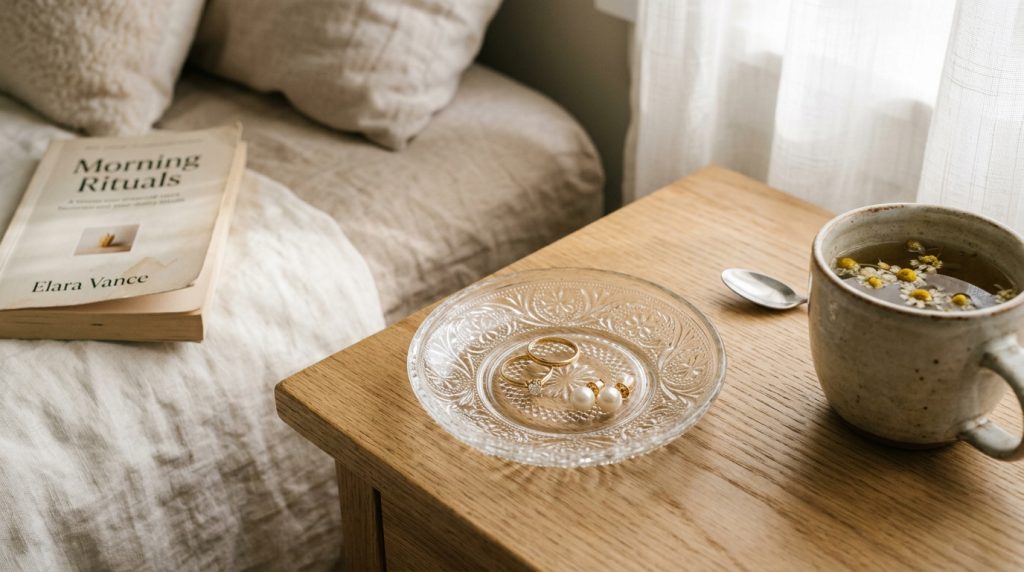
Thick glass coasters catch stray runoff without leaving watermarks on wooden sills.
3. Melt-Proof Candle Coasters
Pillar candles and chunky beeswax tapers need stable, heat-safe bases to catch hot wax spills. A thick glass coaster acts as a miniature pedestal on coffee tables. When wax drips, let it cool completely; it pops right off the smooth glass surface without a scratch.
4. Kitchen Prep Salt Cellars
Place a clean, clear glass cup right beside your cutting board to hold coarse kosher salt or whole peppercorns. It gives you quick pinch-and-season access while cooking dinner. Just ensure your vintage piece is standard pressed glass rather than lead crystal before using it for food prep.
5. Clutter-Busting Desk Organizers
Corral paperclips, brass thumb tacks, and loose memory cards inside matching glass cups on your desk. The textured base keeps tiny metal bits from sliding around. As a result, your workspace stays tidy without looking sterile.
6. Modern Plant Propagation Stands
Set a narrow glass beaker or propagation vial directly into the center cup of a vintage coaster. The heavy glass base prevents top-heavy leafy cuttings from tipping over. Meanwhile, you gain a stylish, weighted foundation on bright shelves.
7. Solid Bathroom Soap Rests
Place an embossed starburst coaster on your powder room sink to hold round artisanal hand soaps. The pressed texture underneath provides subtle traction. Meanwhile, the raised edges keep soapy water contained instead of running across the stone counter.
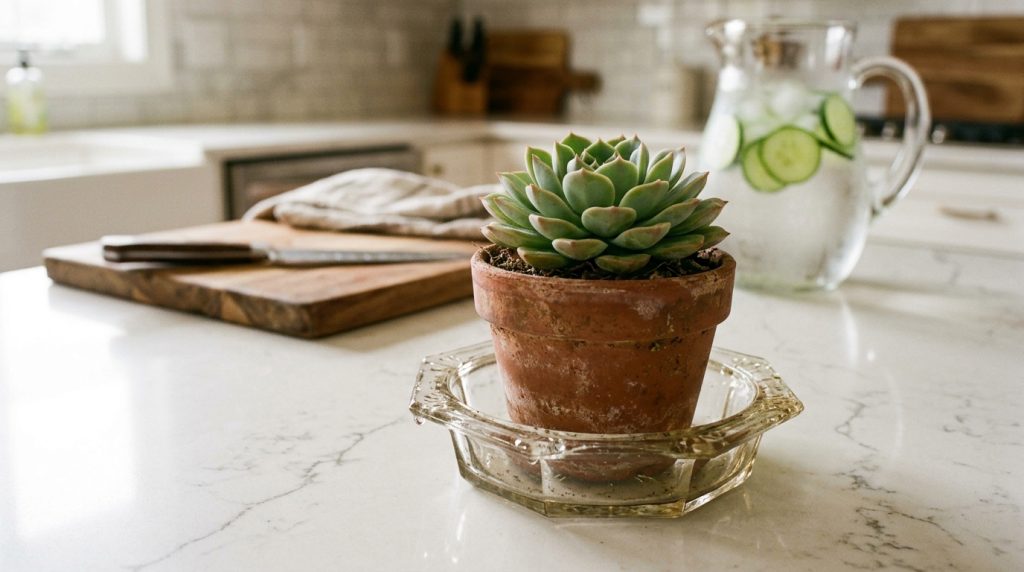
Adding a soft felt base under your antique glass prevents grit from scratching modern finishes.
How to Use Glass Coasters Safely on Modern Floors
If you plan to use antique castor cups under modern furniture, you must protect your floor finishes first. Historic homes often had bare oiled planks, whereas today’s hardwood floors feature delicate polyurethane coatings.
Bare glass sliding across hardwood can trap tiny dirt particles and create fine swirl scratches. To avoid this, always stick three thin, self-adhesive felt dots or a silicone micro-pad to the underside of the glass. This simple buffer lets you glide heavy chairs smoothly without scratching the varnish.
Additionally, check each piece for structural damage before loading it with furniture. Hold the coaster up to a bright window and examine the rim closely for hairline stress fractures. A cracked coaster could snap under a heavy bookshelf, so only use flawless pieces for heavy lifting.
How to Clean Cloudy Vintage Glass and Restore Shine
Decades of sitting near baseboards often leave thrifted glass coated in stubborn floor wax, dust, and hard water scale. Luckily, you can bring back the original sparkle with simple pantry staples.
- The Warm Vinegar Bath: Mix equal parts warm water and distilled white vinegar in a basin. Soak the coasters for twenty minutes to dissolve cloudy mineral films without harsh fumes.
- Gentle Toothbrush Detailing: Use an old soft-bristle toothbrush to lift grime out of deep underside patterns. Avoid steel wool or abrasive pads, which permanently scratch antique glass surfaces.
- Baking Soda Paste for Built-Up Wax: Mix one teaspoon of baking soda with a drop of gentle dish soap. Rub the paste gently into stubborn residue using your fingertips, then rinse clean.
- Lint-Free Drying: Dry each piece thoroughly with a cotton flour-sack towel to eliminate cloudy water spots.
Smart Shopping Tips for Flea Market Hunters
Because they are small and humble, vintage glass furniture coasters remain one of the most affordable vintage items on the market today. You will frequently find complete sets at yard sales, thrift shops, and antique malls for five dollars or less.
When browsing antique vendor booths, check under low furniture displays or sift through miscellaneous hardware bins. Look for sets tied with original twine or housed in old wire caddies. With minimal cost and simple care, these sparkling pieces bring historic character and daily utility to every corner of your home.

Emma D. is the creator, administrator, and voice behind Forum Sever. With a deep-rooted passion for vintage charm and practical living, Emma shares thoughtful homemaking guides, creative DIY projects, heirloom gardening advice, and stories celebrating everyday nostalgia.
Whether reviving timeless family recipes, propagating backyard perennials, or transforming thrifted finds into cozy home centerpieces, her goal is simple: helping readers cultivate a warm, intentional, and handcrafted life. When she isn’t managing the community at Forum Sever, you’ll likely find her in the garden with dirt on her hands, a notebook by her side, and a warm cup of herbal tea nearby.