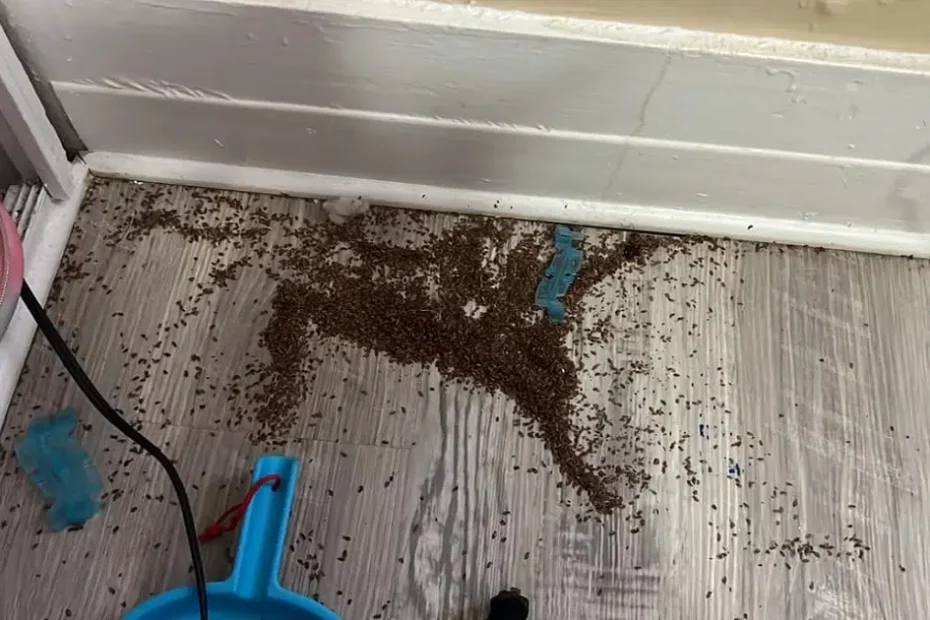
Every parent knows the sudden panic of finding an unidentifiable mess on a bedroom carpet. Recently, a viral social media post about strange mystery piles in daughter’s room gripped thousands of worried homeowners. Specifically, mother Kelli Tarin discovered two neat mounds of brown, granular debris on the floor. In fact, what began as a terrifying pest mystery quickly turned into an unforgettable viral detective story.
When Kelli shared a photo online, the comment section exploded with alarming theories within minutes. Therefore, thousands of strangers weighed in with scary warnings about dangerous household infestations. In addition, professional exterminators inspected the space and left completely baffled by the silent debris. Looking closer at this viral mystery reveals why everyday household items easily fool us.
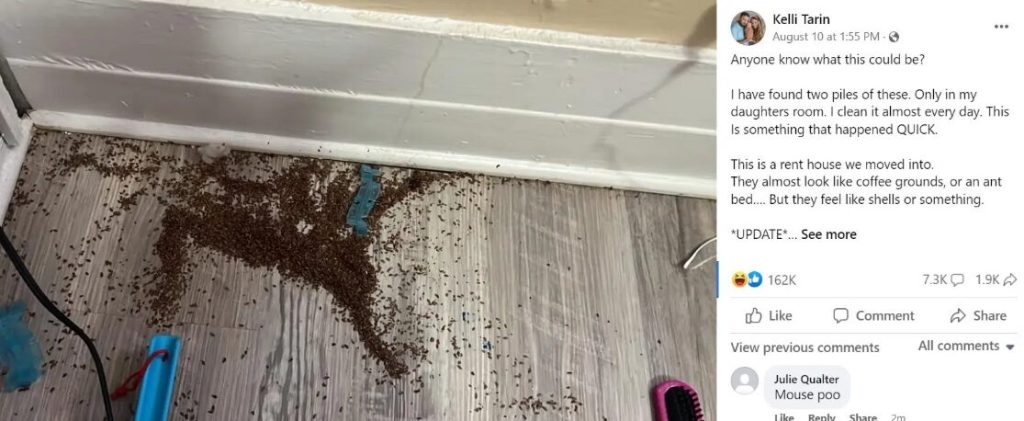
The Viral Panic: Mysterious Brown Piles on the Floor
The Discovery That Stunned the Internet
The situation began on an ordinary weekday evening in a family rental home. While tidying her young daughter’s bedroom, Kelli spotted two small mounds near the wall. Specifically, the material looked dry, dark brown, and granular like crushed plant matter or coarse dirt.
Curiously, the strange debris had no foul odor and showed no signs of movement. However, finding two isolated piles on clean carpet naturally triggered immediate maternal concern. Therefore, she snapped a clear photo and posted it to a popular online cleaning forum.
Within hours, the post collected over 150,000 reactions and thousands of anxious comments. Group members shared the image widely, tagging pest experts and recounting their own household horror stories. As a result, a simple parenting question transformed into a massive online investigation.
When the Internet Diagnoses the Worst Case
Commenters quickly proposed every terrifying insect infestation imaginable across hundreds of discussion threads. For instance, people warned of aggressive carpenter ants tunneling through hidden drywall framing. Others insisted the dark granules were termite frass, cockroach droppings, or rodent waste.
Meanwhile, some alarmist commenters suggested bat guano dropping from ceiling vents or fly pupae casings. A few optimistic readers suggested crushed breakfast cereal, yet the texture looked entirely different. Consequently, the escalating theories convinced Kelli to move her daughter onto the living room couch.
Out of caution, she scheduled emergency inspections with two separate licensed exterminator companies. Both technicians arrived, examined the baseboards, checked the attic access, and inspected the foundation walls. Surprisingly, both seasoned professionals left completely stumped by the mysterious brown substance.
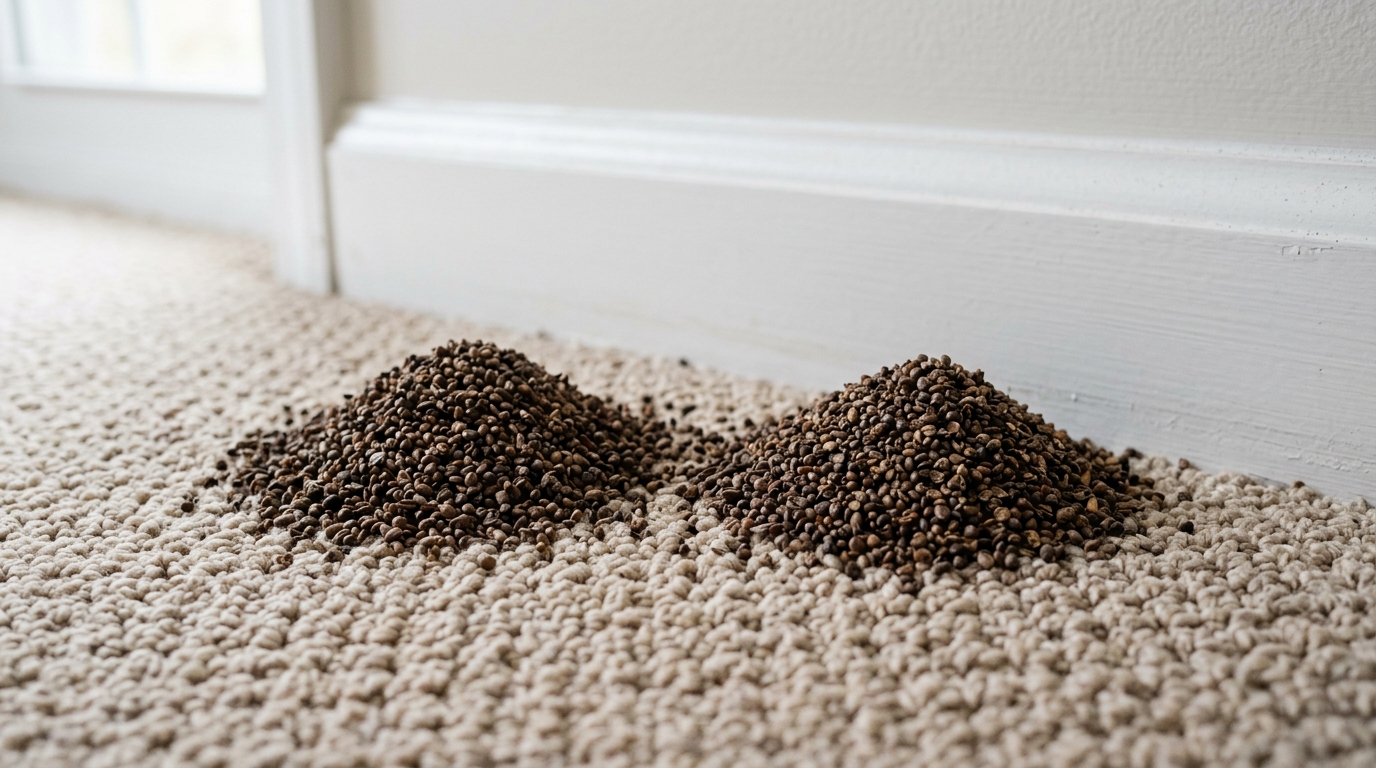
Small granular mounds on bedroom carpets often trigger immediate fears of hidden household insect activity.
Solving the Case of the Mystery Piles in Daughter’s Room
The Quiet Comment That Cracked the Mystery
While exterminators debated strange insect species, the online discussion continued around the clock. Dozens of frantic theories flooded Kelli’s notifications with increasingly dramatic warnings. However, one observant commenter noticed a subtle detail that everyone else overlooked.
The commenter suggested checking whether a weighted, scented plush toy was resting nearby. Specifically, the user recognized the brown granules as dried lavender buds and organic flaxseed filling. That humble observation prompted Kelli to conduct a thorough search of the bedroom shelves.
Upon inspecting her daughter’s favorite lavender-scented plush bear, she found a tiny split seam. The herbal filling had slowly trickled through the opening whenever the toy moved. As a result, the dreaded infestation was simply the aromatic insides of a damaged teddy bear.
From High-Stress Scare to Viral Internet Relief
The realization brought instant relief to the exhausted family and thousands of invested followers. Kelli posted an update with a photo of the leaking plush bear, sparking widespread laughter. Consequently, commenters who had recommended structural fumigation suddenly celebrated the harmless outcome.
This humorous resolution highlights how easily our protective instincts jump to extreme conclusions. When our children’s bedrooms are involved, our minds naturally imagine worst-case health hazards. Therefore, a harmless torn toy can easily trigger days of unnecessary household panic.
Furthermore, the viral story became a beloved cautionary tale across modern parenting communities. It proved that simple, everyday household explanations often outshine complex insect invasion theories. Thus, taking a calm second look can save parents hundreds of dollars in exterminator bills.
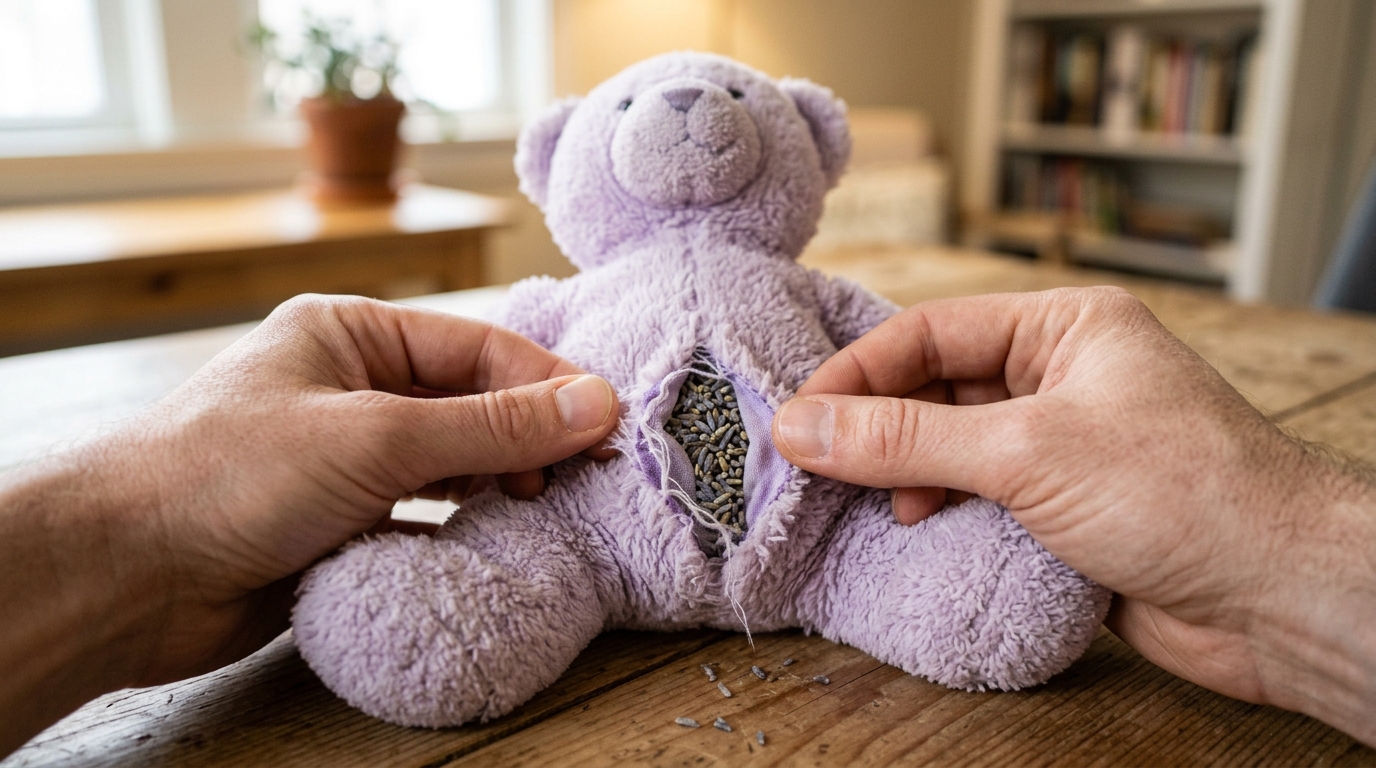
Inspecting plush toy seams often reveals the source of mysterious herbal fillings spilling onto bedroom floors.
Organic Toy Fillings Versus Real Pest Evidence: How to Tell
Understanding Dried Herbal and Seed Fillings
Many modern calming plush toys contain natural therapeutic grains and dried botanicals inside their fabric lining. For example, manufacturers commonly use whole flaxseeds, cherry pits, buckwheat hulls, and dried French lavender flowers. When heated in a microwave, these organic materials release gentle warmth and relaxing aromas.
However, continuous squeezing, dropping, and rough child play eventually stress delicate cloth seams. Once a stitch snaps, tiny botanical seeds sift through the fabric weave during regular movement. Specifically, falling from a high bedpost creates neat, concentrated conical piles on the floor below.
Under close inspection, natural herbal fillings show irregular organic shapes, soft edges, and botanical fibers. In addition, rubbing the dry granules between your fingers releases a faint herbal or floral scent. Therefore, botanical fillings look distinctly different from synthetic microbeads or manufactured plastic pellets.
Comparing Granules to Termite Frass and Insect Droppings
Telling organic seeds apart from actual household pest debris requires understanding key physical markers. Specifically, drywood termite frass consists of tiny, uniform, six-sided wood pellets with rounded ends. These microscopic wood grains drop directly beneath tiny kick-out holes in damaged wood trim.
In contrast, cockroach droppings resemble coarse ground black pepper and leave dark, oily smear marks nearby. Meanwhile, mouse droppings feature elongated, cylindrical shapes with tapered ends and dark pigmentation. Furthermore, actual insect frass lacks the sweet, aromatic scent of dried lavender and grain.
If you encounter suspicious granules, place a few specks on a clean white sheet of paper. Use a magnifying glass and a flashlight to examine the geometric edges and grain textures. Consequently, you can quickly determine whether you are dealing with pest activity or spilled botanicals.
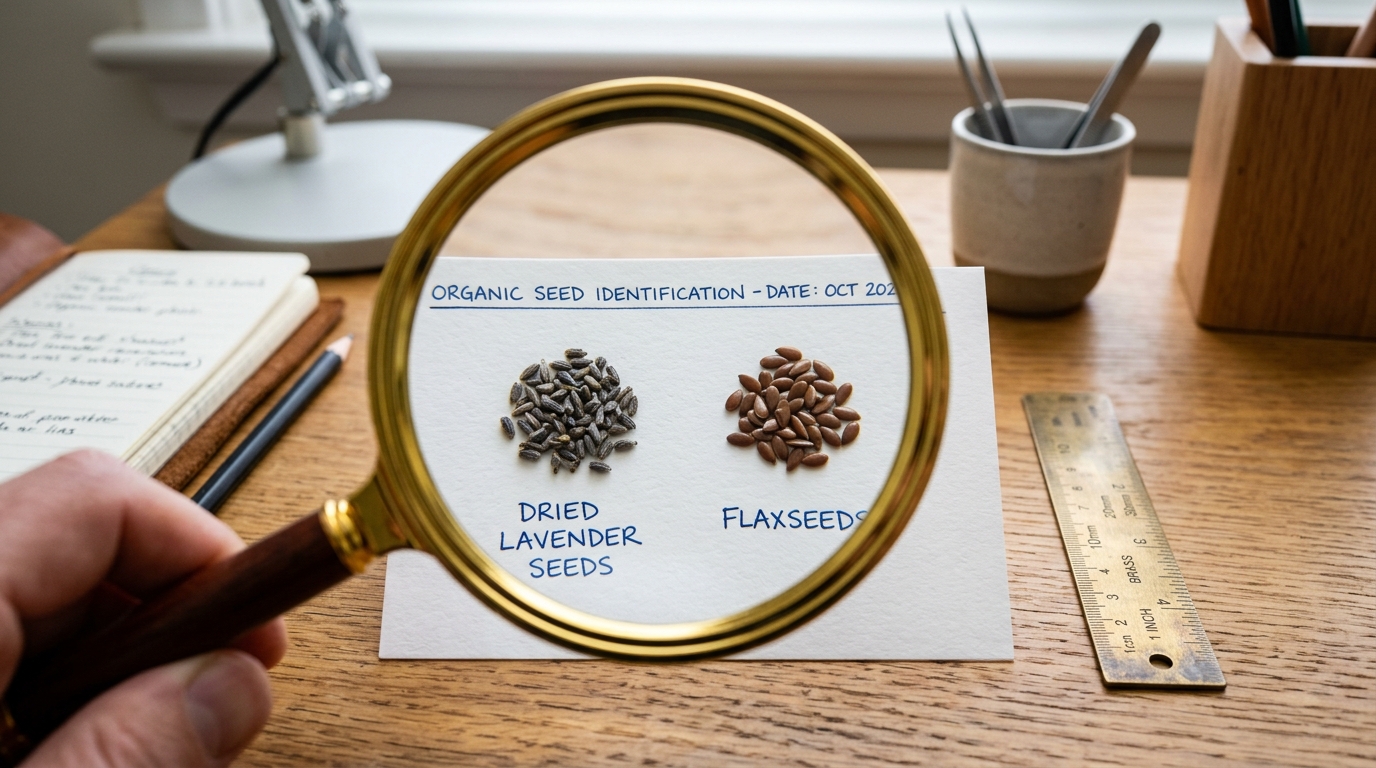
Magnifying glasses help homeowners examine shape, texture, and color differences between organic seeds and insect frass.
The Smart Parent’s Bedroom Detective Checklist
A Step-by-Step Inspection for Unknown Debris
Finding an unexplained mess on the carpet can make any homeowner feel unsettled. Follow this simple, logical inspection method before calling expensive exterminator services:
- Step 1: Check the Overhead Space: Look directly above the pile for open ceiling vents, light fixtures, or shelving.
- Step 2: Inspect Nearby Plush Toys: Squeeze weighted stuffed animals, heating pads, and beanbag chairs over a table.
- Step 3: Examine the Baseboards: Check nearby wooden trim for tiny pinholes, sawdust trails, or active insect activity.
- Step 4: Test for Herbal Scent: Crush a small granule with a paper towel to detect dried lavender or mint.
- Step 5: Document and Isolate: Photograph the area clearly and clean up the debris with a sealed vacuum bag.
Following this structured routine prevents hasty assumptions and eliminates common household suspects systematically. In addition, checking raised shelves often reveals items that tipped over and spilled quietly. As a result, you resolve mysterious household messes quickly and safely.
Repairing and Securing Leaking Scented Toys
If you discover that a favorite scented bear is leaking its stuffing, do not throw it away. Instead, you can easily repair the loose seam using basic sewing supplies in a few minutes. First, brush away any loose flaxseed or lavender from around the opening.
Next, thread a sturdy hand-sewing needle with double-stranded polyester or nylon thread. Use a tight ladder stitch or whipstitch to pull the folded fabric edges securely together. Furthermore, tie off the knot firmly inside the seam to keep curious little fingers from pulling it open.
If the outer fabric has worn thin, sew a small decorative patch over the vulnerable area. This simple reinforcement protects the inner contents during intense playtime and nightly bedtime cuddles. Consequently, your child keeps their beloved companion while your floors stay completely clean.
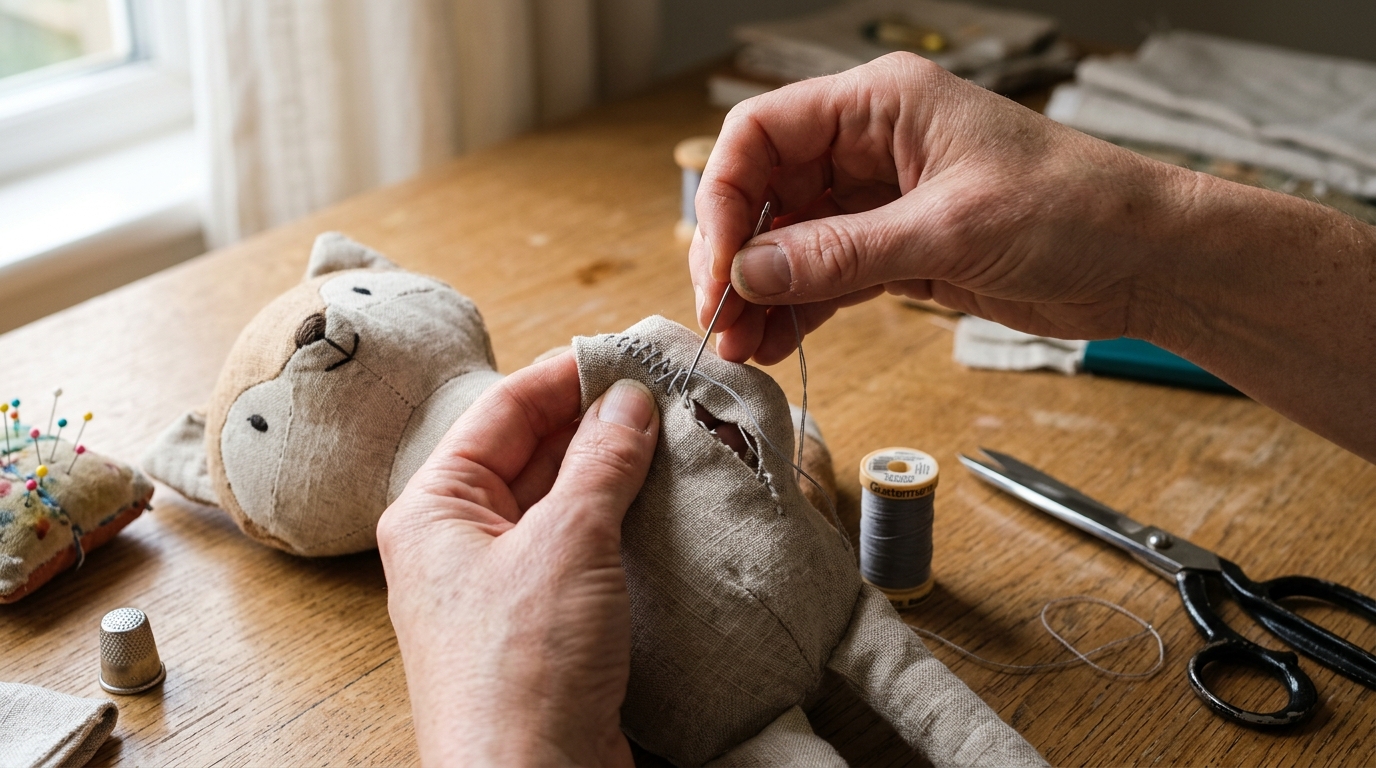
Reinforcing split seams with a strong ladder stitch keeps organic botanical fillings safely contained inside toys.
Keeping Kids’ Bedrooms Clean and Pest-Free
Proper Storage for Scented and Heated Plushies
Scented botanical toys require thoughtful storage to maintain their freshness and structural integrity. For example, keep heated grain animals away from damp bathroom humidity or moist window sills. Excess moisture can cause organic seed fillings to clump, mold, or lose their pleasant aroma.
Instead, store weighted plushies on clean, dry wooden shelves or inside breathable cotton bins when not in use. In addition, periodically inspect the fabric seams for minor thread wear before large spills happen. This proactive habit catches loose stitches long before loose grains scatter across your floor.
Furthermore, avoid washing natural grain-filled toys inside a standard laundry washing machine. Soaking whole flaxseeds and lavender in water ruins the filling and promotes bacterial growth. Therefore, spot clean the outer plush fabric using a damp washcloth and mild natural soap.
When to Call a Professional Exterminator
While Kelli’s story ended with laughter, real insect problems require swift professional intervention. Specifically, if you find active crawling bugs, mud tubes along baseboards, or hollow-sounding wood, call an expert. Professional pest control technicians possess specialized tools to locate hidden nesting colonies inside structural walls.
In addition, persistent rodent droppings or chewed electrical wiring demand immediate licensed remediation. Never ignore structural warning signs when accompanied by actual physical insect specimens. However, always verify that your mystery debris is not an everyday household spill first.
Taking a balanced, observant approach protects both your peace of mind and your family budget. As Kelli’s viral experience showed, staying calm helps you spot simple explanations faster. Thus, thoughtful observation remains every homeowner’s most effective diagnostic tool.
Lessons from the Viral Bedroom Mystery
The viral story of the mystery piles in daughter’s room reminds us that parenting often brings unexpected surprises. When strange messes appear, taking a deep breath and checking everyday items prevents needless panic. Furthermore, engaging online communities can sometimes offer the exact insight needed to solve puzzling dilemmas.
Before assuming the worst about mysterious household debris, check the seams of your children’s toys. That simple second look can turn an evening of high anxiety into a hilarious family memory. By keeping a calm perspective, you protect your home and enjoy a cleaner, stress-free living space.

Emma D. is the creator, administrator, and voice behind Forum Sever. With a deep-rooted passion for vintage charm and practical living, Emma shares thoughtful homemaking guides, creative DIY projects, heirloom gardening advice, and stories celebrating everyday nostalgia.
Whether reviving timeless family recipes, propagating backyard perennials, or transforming thrifted finds into cozy home centerpieces, her goal is simple: helping readers cultivate a warm, intentional, and handcrafted life. When she isn’t managing the community at Forum Sever, you’ll likely find her in the garden with dirt on her hands, a notebook by her side, and a warm cup of herbal tea nearby.