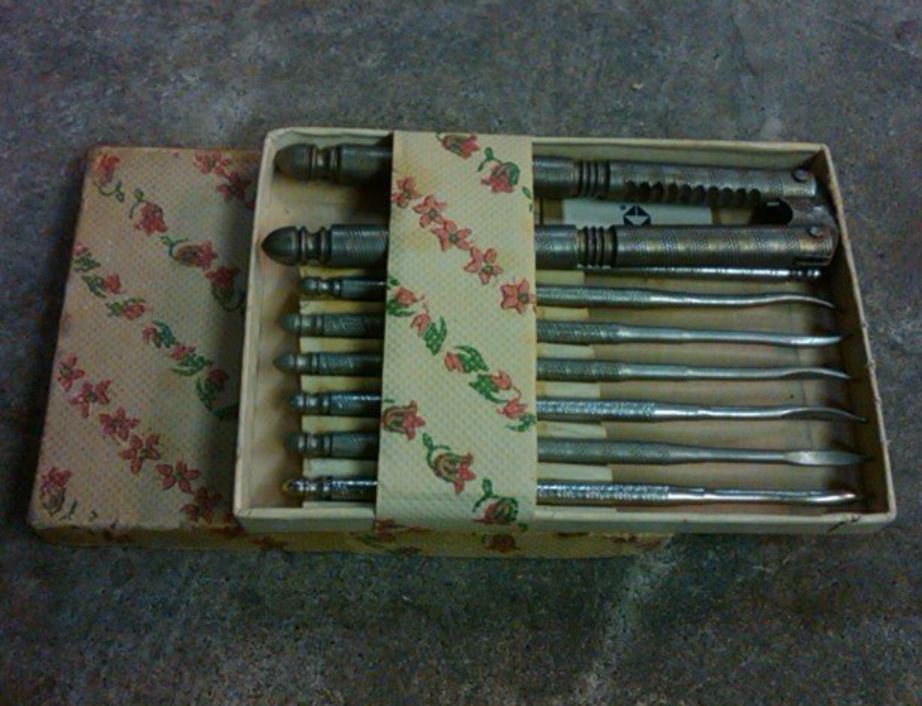
Have you ever opened an inherited estate box and found a set of slender textured metal tools? Many people mistake these shiny implements for vintage dental instruments or leftover seafood cutlery. However, discovering authentic mid-century nut picks connects you directly to the golden era of post-war American kitchens. In fact, these durable manual utensils solved a classic culinary challenge long before electric appliances existed.
During the 1940s and 1950s, whole unshelled nuts were a staple in almost every household. Therefore, families gathered around the kitchen table after dinner to crack fresh walnuts, pecans, and hazelnuts together. In addition, these specialized pick sets allowed people to extract delicate nutmeats without smashing them into useless crumbs. Understanding how these clever tools worked reveals a charming story of mid-century homemaking and communal dining.
The Anatomy of Mid-Century Nut Picks and Crackers
Precision Steel Engineering and Knurled Grips
Mid-century manufacturers designed these small hand tools with remarkable durability and balance. Most authentic sets were forged from solid carbon steel and coated in bright nickel or chrome plating. Specifically, the gleaming finish protected the metal against corrosion from acidic nut oils and frequent washing.
Furthermore, each pick featured intricate diamond-knurled patterns pressed along the cylindrical handle. This textured cross-hatching provided a secure grip even when hands became slick with natural oils. As a result, the user maintained total dexterity while maneuvering sharp tips inside tight shell crevices.
At the top of each pick, a small rounded finial or decorative ball finished the handle. This weighted end balanced the slender shaft smoothly between thumb and forefinger. Consequently, working with these vintage picks felt effortless during long evening conversations around the table.
Curved Spoons Versus Spear-Point Tips
A complete vintage set usually included multiple picks with distinct tip geometries. For instance, some picks featured a narrow, curved scoop shaped like a tiny miniature spoon. This curved scoop slid smoothly beneath walnut halves, gently lifting the intact meat from the wooden shell wall.
Meanwhile, other picks featured sharp, tapered spear points designed for deep piercing. These pointed tools tackled stubborn interior shell membranes and fractured walnut dividers with ease. Therefore, cooks could clean out narrow shell channels without crushing the delicate kernel inside.
In addition, the matching nutcracker featured hardened jaw teeth along both upper and lower hinge sections. The smaller inner teeth gripped narrow hazelnut shells, while the wider outer jaws crushed large English walnuts. Thus, the two tools worked together as a complete mechanical extraction system.
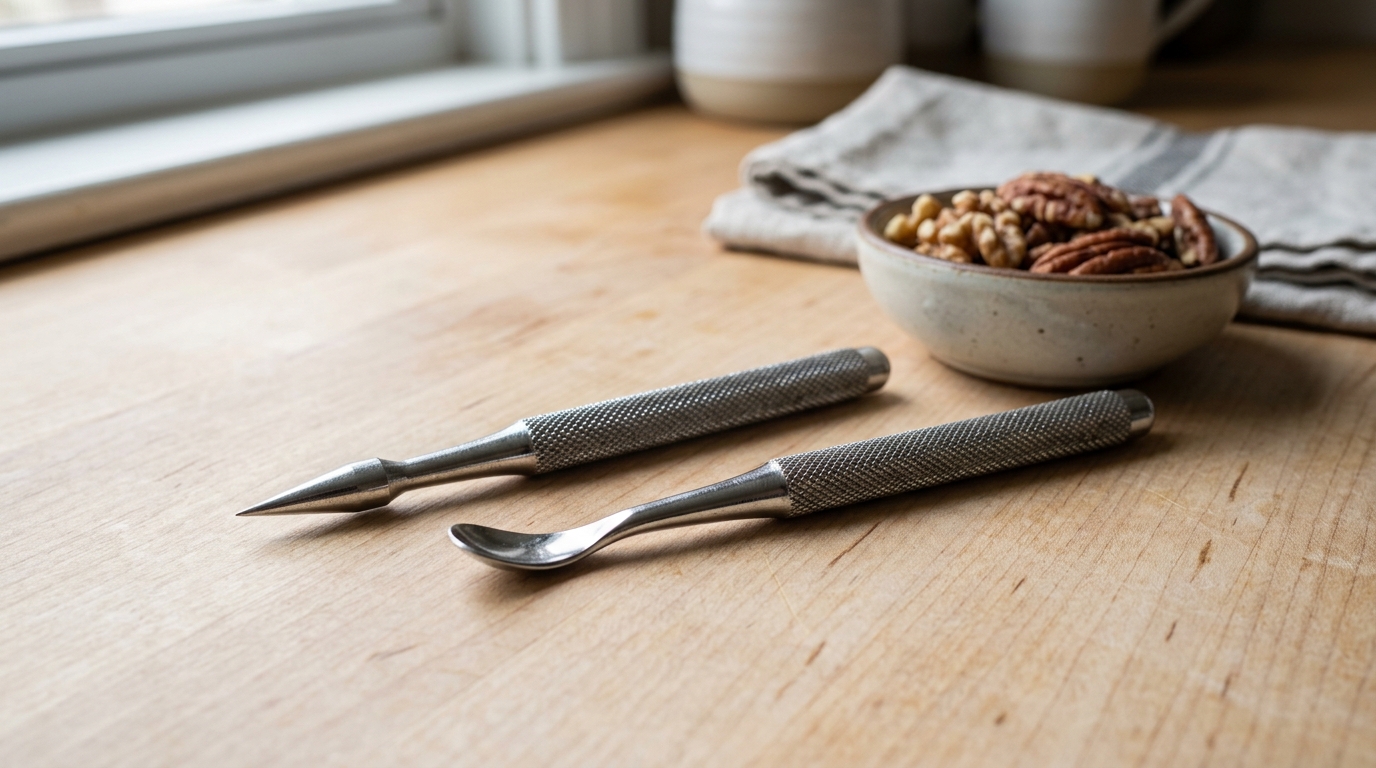
Intricate knurled patterns and dual-purpose tips allowed mid-century cooks to extract intact nut kernels effortlessly.
The Famous Tree-Trunk Wooden Nut Bowl
The Centerpiece of Mid-Century Living Rooms
During the 1950s, few homes kept their nut tools hidden away in dark kitchen drawers. Instead, homeowners proudly displayed complete sets inside a specialized wooden nut bowl on the coffee table. These iconic bowls were often carved from thick native hardwoods like walnut, maple, or monkey pod wood.
Specifically, artisans shaped the exterior to resemble a rustic, bark-edged tree trunk or hollow log. Deep holes drilled along the wooden rim held the slender picks upright and ready for action. In the center, a carved depression held the heavy metal cracker upright within easy reach.
As a result, the entire display served as functional living room decor between meals. Guests and family members helped themselves to fresh nuts throughout the afternoon and evening. Furthermore, the warm wood grain developed a rich patina over decades of regular family handling.
A Lost Ritual of Communal Evening Snacking
Cracking whole nuts was a shared social event rather than a hurried chore. After dinner, parents and children gathered around the wooden bowl while listening to the living room radio. In addition, sharing the single cracker and passing picks fostered relaxed family conversation.
Children learned patience and hand-eye coordination while trying to extract complete walnut halves. Meanwhile, adults competed friendly to see who could remove tricky Brazil nut meats cleanly. Consequently, the rhythmic sound of cracking shells became a comforting soundtrack to autumn and winter evenings.
Moreover, holiday gatherings always featured overflowing bowls of mixed unshelled nuts alongside fresh citrus fruit. Friends sat together for hours, cracking shells and telling stories around the dining table. Therefore, these humble metal tools carry deep emotional memories for generations of families.
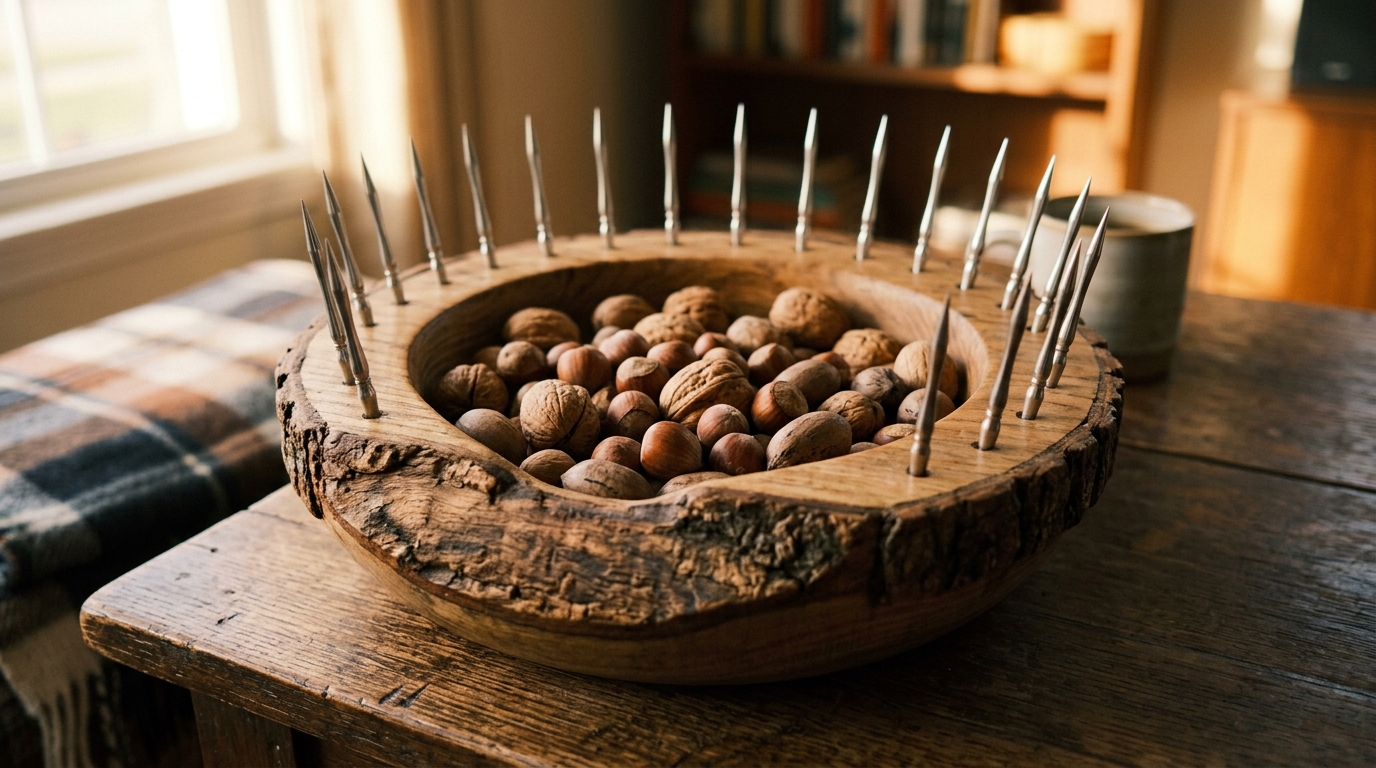
Iconic hardwood tree-trunk bowls held picks upright along the rim, serving as interactive mid-century living room centerpieces.
Why Vintage Nut Sets Shared Tooling with Seafood Picks
The Practical Logic of Dual-Purpose Kitchen Implements
Many people notice that vintage nut picks look nearly identical to classic lobster and crab forks. In fact, this striking visual resemblance was completely intentional on the part of mid-century manufacturers. Toolmakers used the exact same stamping dies and chrome-plating vats to manufacture both product lines.
Specifically, extracting tender crab meat from narrow legs requires the same mechanical motion as retrieving nutmeat. Both tasks demand a slender metal shaft capable of reaching deep inside rigid exterior shells. Therefore, manufacturing companies simply marketed the same durable tools for both culinary tasks.
Resourceful homemakers appreciated tools that performed double duty in busy post-war kitchens. For example, a family might use their pick set for a summer backyard crab boil on Saturday. Then, the very same utensils cleaned freshly roasted chestnuts on Sunday afternoon.
Notable Manufacturers and Collector Marks
Several prominent hardware and houseware companies dominated the mid-century nut tool market. Specifically, the HMQ brand produced thousands of high-quality nickel-plated sets that survive in pristine condition today. You can often spot their tiny stamped maker mark pressed near the cracker hinge rivet.
In addition, brands like Quackenbush and National Silver Company packaged handsome sets in floral presentation boxes. These boxed sets were popular wedding shower and housewarming gifts throughout the 1950s. Today, finding a complete set in its original textured cardboard box is a thrilling flea market discovery.
Collectors actively search for these vintage sets because modern plastic crackers simply cannot match their durability. The heavy gauge steel and tight hinge tolerances ensure smooth operation after seventy years of use. Thus, mid-century manufacturing quality continues to outshine cheap modern alternatives.
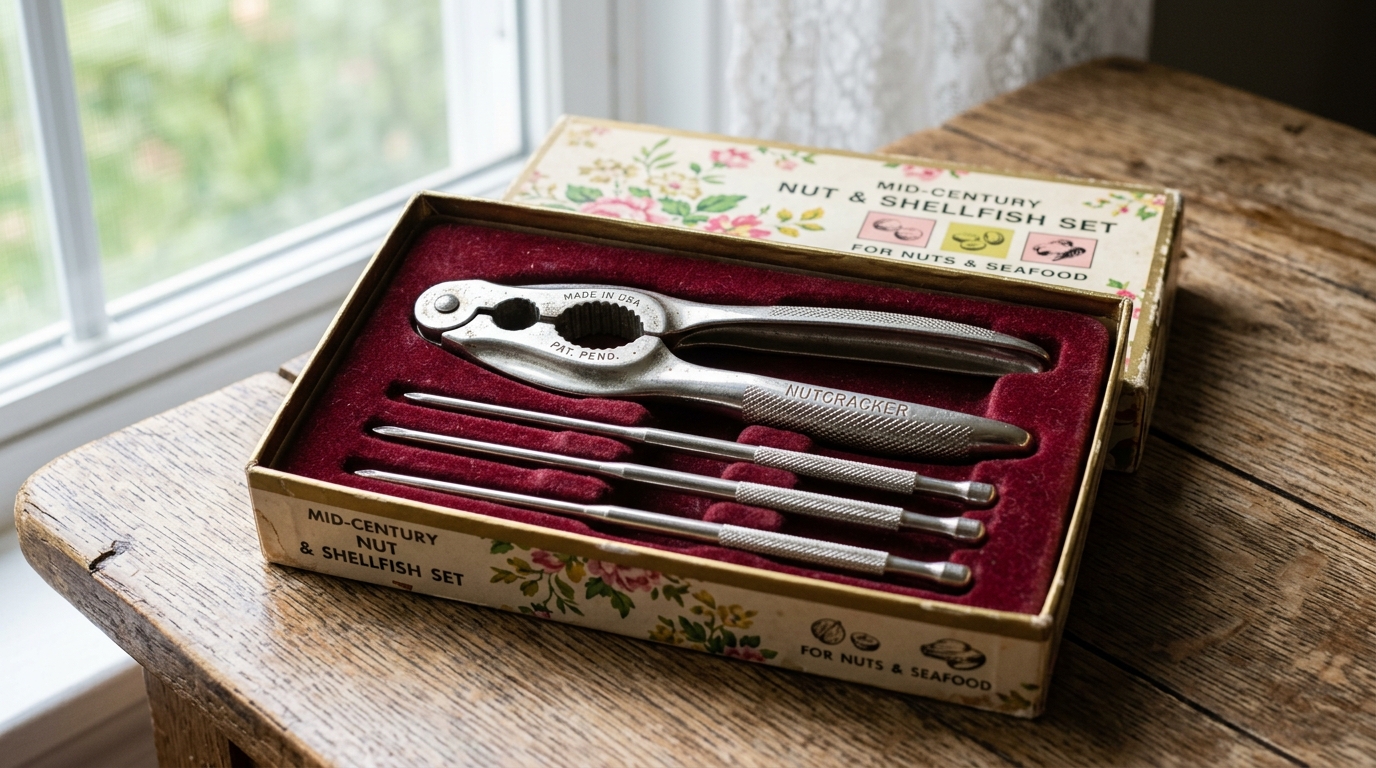
Slender steel picks pulled double duty in mid-century homes, easily transitioning from cracking nuts to picking shellfish.
Mastering the Technique: How to Extract Intact Nutmeats
Controlling Pressure to Prevent Crushing
Using a vintage lever cracker requires a gentle, calculated touch rather than brute force. If you squeeze the handles too aggressively, the jaws will instantly pulverize the delicate edible kernel. Instead, place the nut sideways between the ridged teeth and apply steady, progressive hand pressure.
Listen closely for the initial sharp snap of the exterior shell fracture. As soon as you hear that first crack, rotate the nut ninety degrees in the jaws. Then, apply a second gentle squeeze to loosen the opposing shell hemisphere.
This balanced two-step technique fractures the outer hull without damaging the tender nutmeat inside. Consequently, the hard shell falls away in large, clean pieces. As a result, you expose the entire intact kernel ready for final extraction.
Using the Pick on Stubborn Walnuts and Chestnuts
Once the shell is fractured, select the appropriate pick for the specific nut variety. For English walnuts and pecans, slide the curved spoon tip flat against the interior shell wall. Gently pry upward to release the central kernel without snapping the delicate lobes in half.
Chestnuts present a different challenge due to their fibrous inner skin, known as the pellicle. This papery brown layer tastes unpleasantly bitter if left attached to the sweet roasted chestnut meat. Fortunately, the sharp spear-point pick scrapes away this thin skin quickly and cleanly.
For dense Brazil nuts, use the pointed tip to pierce the fibrous connective tissue at the base. A slight twisting motion pops the dense kernel out of its triangular shell chamber effortlessly. Therefore, using the right pick geometry makes snacking fast, tidy, and thoroughly satisfying.
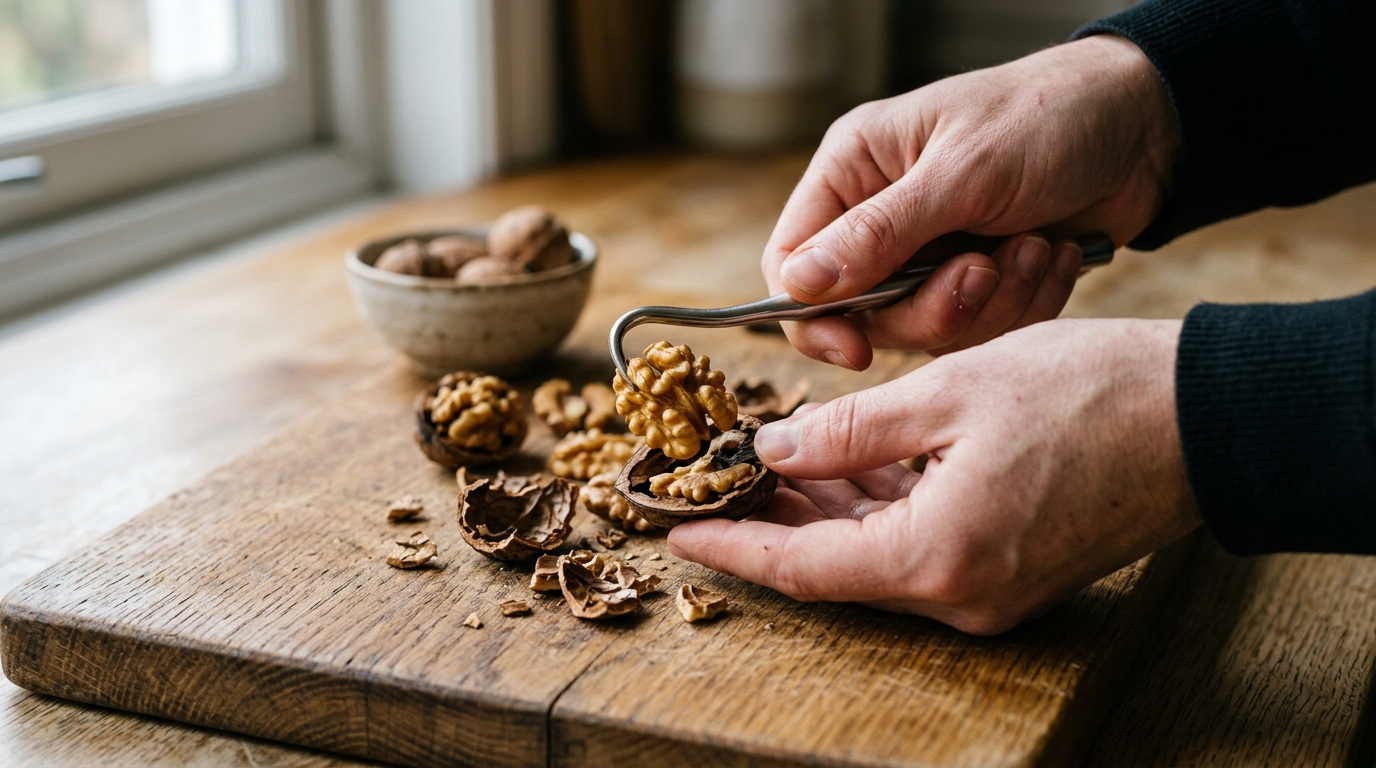
Gentle lever pressure fractures the hard outer shell, allowing the curved pick to slide underneath and lift the kernel whole.
Identifying, Cleaning, and Preserving Vintage Nut Sets
Spotting Authentic Mid-Century Sets at Estate Sales
When browsing antique shops and yard sales, inspect potential nut sets carefully for authentic vintage markers. First, examine the metal plating along the pick shafts and cracker jaws. Genuine mid-century tools exhibit substantial weight and a warm, silvery luster characteristic of vintage chrome or nickel.
Next, look closely for manufacturer stamps pressed near the main cracker hinge. Authentic sets frequently bear stamped initials such as HMQ or markings indicating domestic manufacturing. In addition, check for crisp diamond knurling patterns across the entire handle surface.
Avoid lightweight modern reproductions that use cast aluminum or glued decorative caps. Vintage pieces feature solid one-piece shafts with machined finials that never wobble or loosen. Consequently, inspecting these structural details ensures you purchase genuine post-war American craftsmanship.
Safe Cleaning and Rust Prevention for Plated Steel
Caring for your vintage metal tools requires simple, non-destructive cleaning techniques. Never wash vintage nut picks or crackers inside a modern high-heat automatic dishwasher. Specifically, aggressive dishwasher detergents and prolonged humidity strip delicate nickel plating and rust the iron hinge pin.
Instead, hand wash the tools immediately after use in warm water with mild liquid dish soap. Use a soft nylon toothbrush to dislodge sticky nut residues from the knurled handle grooves. Then, rinse the implements with clean water and dry them completely with a cotton towel.
To ensure long-term preservation, apply a tiny drop of food-grade mineral oil to the cracker hinge rivet. Work the handles back and forth several times to distribute the lubricant smoothly throughout the joint. This quick maintenance step prevents rust and guarantees effortless operation for decades to come.
Restoring Vintage Hardwood Nut Bowls
If you are lucky enough to own an original wooden tree-trunk bowl, give the timber proper care. Over decades of dry storage, natural hardwood loses its moisture and develops a dull, thirsty appearance. However, restoring that gorgeous vintage luster takes only a few minutes.
First, wipe away dust and debris using a damp microfiber cloth, then let the wood dry thoroughly. Next, apply a generous layer of food-grade mineral oil or beeswax wood butter across all surfaces. Allow the natural oils to soak into the wood fibers for thirty minutes before buffing away excess.
This nourishing treatment enriches the natural wood grain and protects against seasonal cracking. In addition, it seals the pick holes along the rim, keeping your tools standing upright and secure. Thus, your entire vintage setup remains a stunning, functional centerpiece on any table.
The Lasting Charm of Mid-Century Kitchen Ingenuity
In an era of pre-shelled snacks, mid-century nut picks offer a refreshing connection to our culinary past. They remind us of a time when preparing a simple evening snack brought families together in shared conversation. Furthermore, their sturdy steel construction proves that thoughtful, simple design never goes out of style.
Whether you inherited a family set or discovered one at a weekend flea market, put these tools to work. Gather a bowl of whole unshelled nuts, invite friends to the table, and enjoy the satisfying rhythm of cracking shells. By keeping these traditions alive, you honor the timeless warmth and ingenuity of the mid-century home.

Emma D. is the creator, administrator, and voice behind Forum Sever. With a deep-rooted passion for vintage charm and practical living, Emma shares thoughtful homemaking guides, creative DIY projects, heirloom gardening advice, and stories celebrating everyday nostalgia.
Whether reviving timeless family recipes, propagating backyard perennials, or transforming thrifted finds into cozy home centerpieces, her goal is simple: helping readers cultivate a warm, intentional, and handcrafted life. When she isn’t managing the community at Forum Sever, you’ll likely find her in the garden with dirt on her hands, a notebook by her side, and a warm cup of herbal tea nearby.