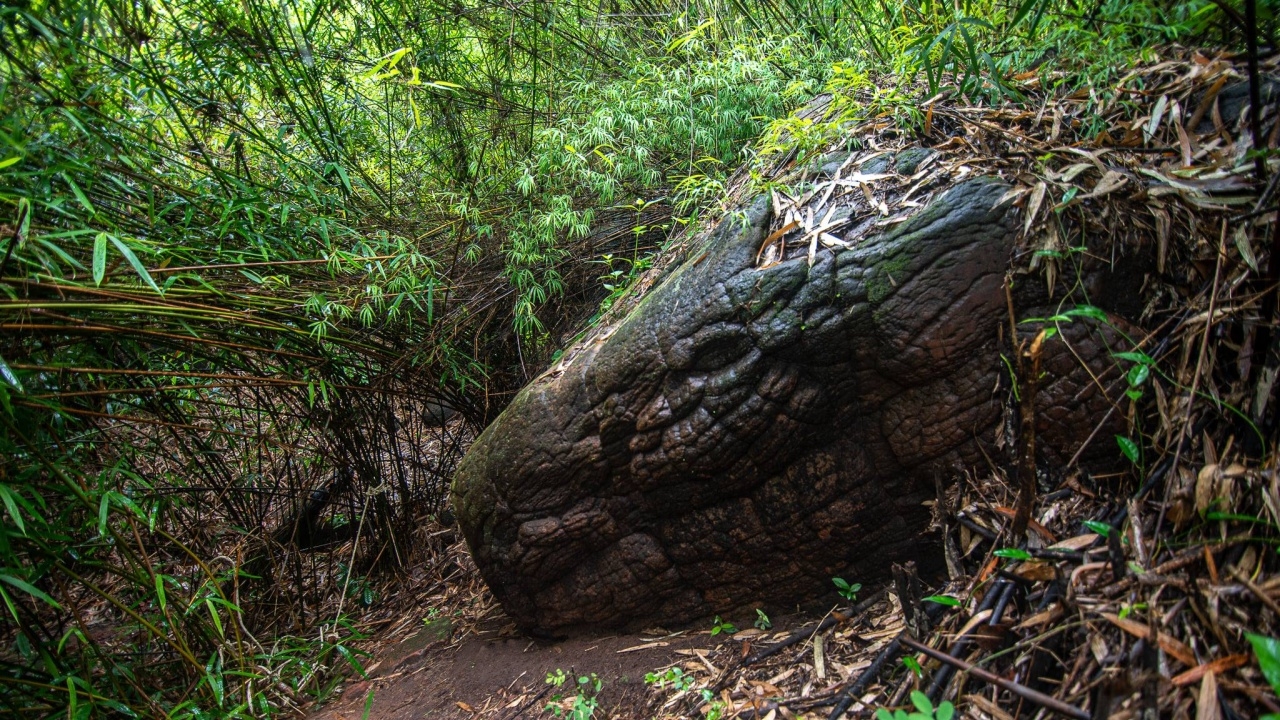
A mesmerizing look at the ancient serpent-like rock formations hidden inside Phu Langka National Park.
Imagine standing on a misty cliff high above the lush Thai jungle. Suddenly, you spot a stone basin that stares right back at you. In fact, travelers from around the globe journey here to witness Naga’s Eye Thailand with their own eyes.
This natural phenomenon rests quietly in Bueng Kan province inside Phu Langka National Park. When heavy monsoon rain falls, the rocky hollow fills with dark water. As a result, the formation looks identical to the glowing iris of a mythical giant snake.
However, this spot is not just an ordinary geological wonder. Local villagers believe the mountain holds the spirit of a cursed serpent king. Consequently, visiting this sacred spot feels like stepping straight into ancient folklore.
The Ancient Curse: The Legend Behind Naga’s Eye Thailand
Local Thai mythology surrounds the entire Phu Langka mountain range. According to regional folklore, a powerful ruler named King Pu Ue-Lue once ruled an ancient city here. Unfortunately, a forbidden romance between a prince and a mythical serpent princess ended in tragedy.
Angry mountain deities cursed the ruler and turned his massive body into solid stone. Legend says the serpent’s head, body, and tail stretch across several mountain ridges. Therefore, local residents treat the nearby cliffs with deep respect and quiet reverence.
The famous pool represents the open eye of the sleeping creature. In fact, many believers offer small prayers before approaching the water. Whether you believe the legends or not, the mystical aura of the site is unforgettable.
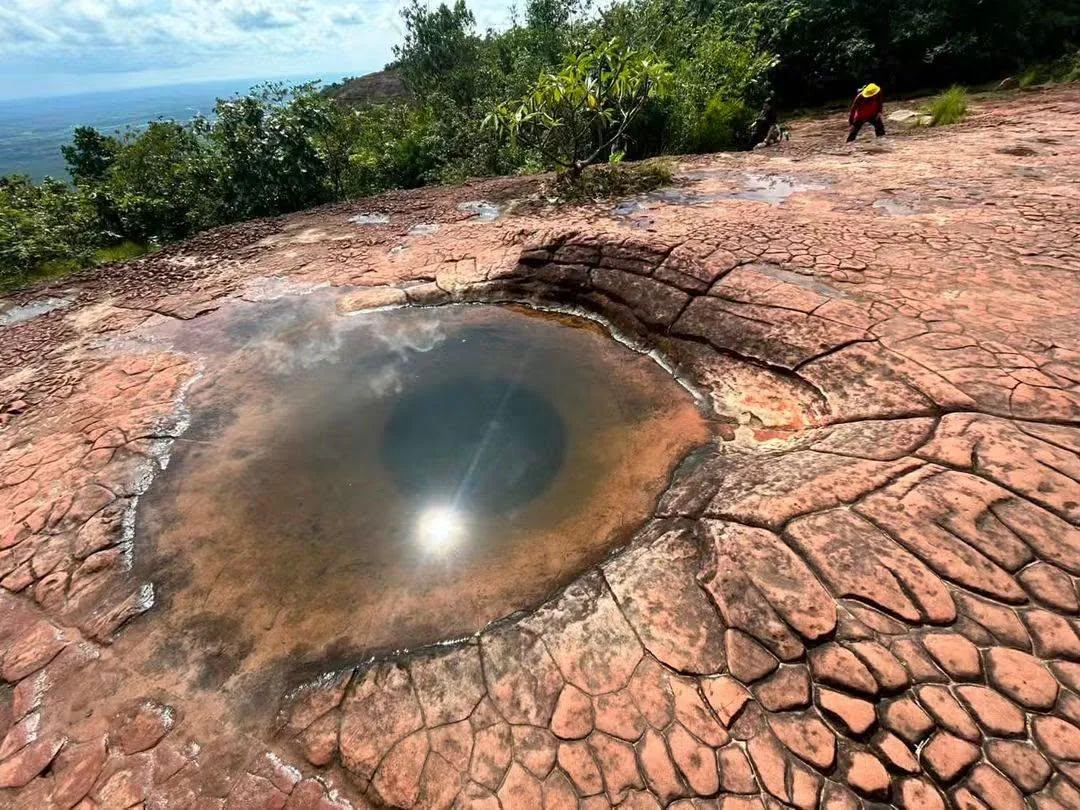
Sun crack weathering created these mind-boggling scale patterns across the mountain cliffs.
The Science Behind the Stone: How Nature Carved Snake Scales
While legends capture our imagination, geological forces explain how these rocks formed. Millions of years ago, thick layers of sediment built up across northeastern Thailand. Over time, tectonic pressure pushed these dense sandstone layers high into the sky.
Geologists refer to the unique surface texture as sun crack weathering. Extreme temperature shifts between scorching tropical days and cool nights caused the rock to fracture. As a result, square and polygonal cracks spread across the outer stone layer.
These repeating cracks look strikingly similar to reptile skin. Meanwhile, acidic rainwater slowly dissolved softer minerals inside the upper basin. Eventually, that continuous water erosion hollowed out the dramatic oval pool known today.
Planning Your Trek to Naga Cave and the Sacred Ridge
Reaching this remote site requires some physical stamina and smart preparation. The trail begins near the base of Phu Langka National Park in Bueng Kan. From there, hikers must tackle a steep route containing over 1,400 metal stairs.
National park rangers currently require visitors to book time slots in advance. You can easily secure your pass using the official QueQ mobile app. Additionally, hiring a local park guide ensures you do not miss hidden rock chambers along the path.
The full round-trip hike takes between three and five hours. Therefore, pacing yourself during the climb is essential for avoiding exhaustion. Take frequent breathers to admire the vast green canopy below.
Essential Gear for the Phu Langka Mountain Climb
Packing the right hiking equipment makes your trek safe and comfortable. Because the terrain is rocky and humid, regular casual sneakers will not cut it. Instead, invest in breathable, lightweight trail running shoes with rugged rubber outsoles.
You should also pack collapsible carbon fiber trekking poles. These sturdy poles take significant pressure off your knees during steep descents. Furthermore, wear moisture-wicking quick-dry shirts to stay cool under the intense tropical sun.
A lightweight 20-liter hydration backpack keeps your hands free while climbing ladders. Add a compact, wide-angle action camera or mirrorless camera to capture the dramatic rock formations. Finally, bring an eco-friendly mineral sunscreen and organic insect repellent spray.
Pro Tip: Pack a lightweight silicone water bottle and electrolyte replacement powders. Humid jungle climbs drain electrolytes rapidly, so staying properly hydrated prevents painful muscle cramps.
Best Timing: When Does the Stone Eye Actually Fill?
Timing your trip carefully determines whether you see a full pool or a dry hollow. The natural basin relies completely on seasonal precipitation to create the eye effect. Thus, traveling during the wrong season might leave you looking at bare rock.
The wet monsoon window runs from late July through October. During these months, frequent afternoon showers keep the stone hollow brimming with water. In addition, morning fog frequently blankets the ridges, creating an ethereal photo setting.
If you prefer cooler weather, visit between November and January. While the pool might hold less water, hiking conditions are far more comfortable. Temperatures drop pleasantly, making the grueling 1,400-step ascent feel much easier on your lungs.
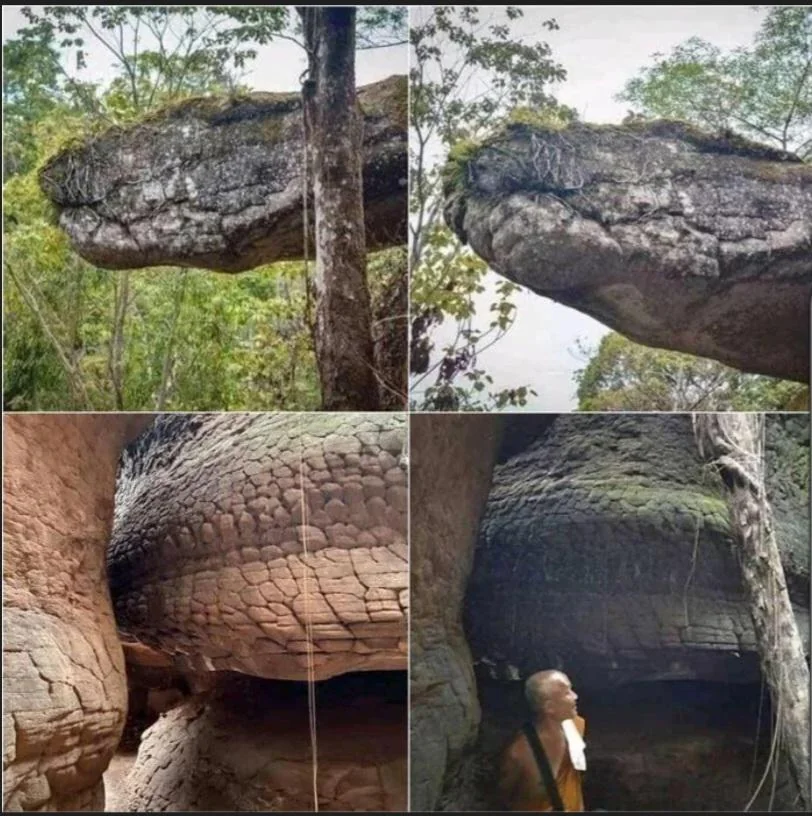
Vast sandstone corridors and natural stone arches await visitors along the high ridge trail.
Smart Safety and Cultural Etiquette in Bueng Kan
Exploring sacred wilderness sites requires mindful respect for local customs. In Thai culture, mountains and unique stone shrines are considered spiritually active. For example, never climb on top of marked serpent head rocks or remove small stone pebbles.
Dress respectfully by wearing modest athletic clothing that covers your shoulders and knees. This simple courtesy honors local guides and fellow pilgrims. Furthermore, carry a small trash bag in your backpack to pack out all personal waste.
Trail safety should always remain your top priority. Sandstone paths become slippery when coated in morning dew or moss. Therefore, step carefully on wooden boardwalks and hold onto metal handrails during steep descents.
How to Reach Bueng Kan: Transportation and Lodging
Getting to Bueng Kan province is an exciting mini-road trip across Isan. Most international travelers fly into Bangkok and take a domestic flight to Nakhon Phanom or Udon Thani. From the airport, renting an SUV or booking a private driver is the most convenient option.
Driving to Phu Langka National Park takes roughly two to three hours from Nakhon Phanom. The scenic highway winds past peaceful rice paddies and scenic Mekong River viewpoints. Consequently, the journey provides a wonderful glimpse into authentic rural Thailand.
For lodging, choose cozy boutique riverside resorts along the Mekong River in Bueng Khong Long. These peaceful stays feature clean amenities, private balconies, and fresh morning meals. Booking your hotel room a few weeks early guarantees the best rates during peak hiking months.
Trekker’s Quick Checklist for Phu Langka
Before you lace up your boots, review this handy checklist for a smooth adventure:
- Book park entry early: Reserve your QueQ app time slot before arriving at the gate.
- Wear gripping footwear: Choose sturdy trail shoes with aggressive rubber treads for wet rock.
- Carry sufficient water: Bring at least two liters of water plus electrolyte tablets.
- Protect your electronics: Store cameras and phones in a waterproof dry bag.
- Support local guides: Hire accredited village guides at the trailhead to support the community.
- Leave no trace: Carry all plastic bottles and snack wrappers back down the mountain.
Why Naga’s Eye Thailand Belongs on Your Travel Bucket List
Few travel destinations combine ancient mystery and awe-inspiring nature like this mountain sanctuary. Climbing the mist-shrouded staircases of Phu Langka rewards you with surreal views found nowhere else.
Standing beside the stone eye filled with dark rainwater is an unforgettable experience. In fact, witnessing Naga’s Eye Thailand connects you with powerful cultural legends and breathtaking geology. Start planning your route, pack your bags, and experience this sacred wonder firsthand.

Emma D. is the creator, administrator, and voice behind Forum Sever. With a deep-rooted passion for vintage charm and practical living, Emma shares thoughtful homemaking guides, creative DIY projects, heirloom gardening advice, and stories celebrating everyday nostalgia.
Whether reviving timeless family recipes, propagating backyard perennials, or transforming thrifted finds into cozy home centerpieces, her goal is simple: helping readers cultivate a warm, intentional, and handcrafted life. When she isn’t managing the community at Forum Sever, you’ll likely find her in the garden with dirt on her hands, a notebook by her side, and a warm cup of herbal tea nearby.