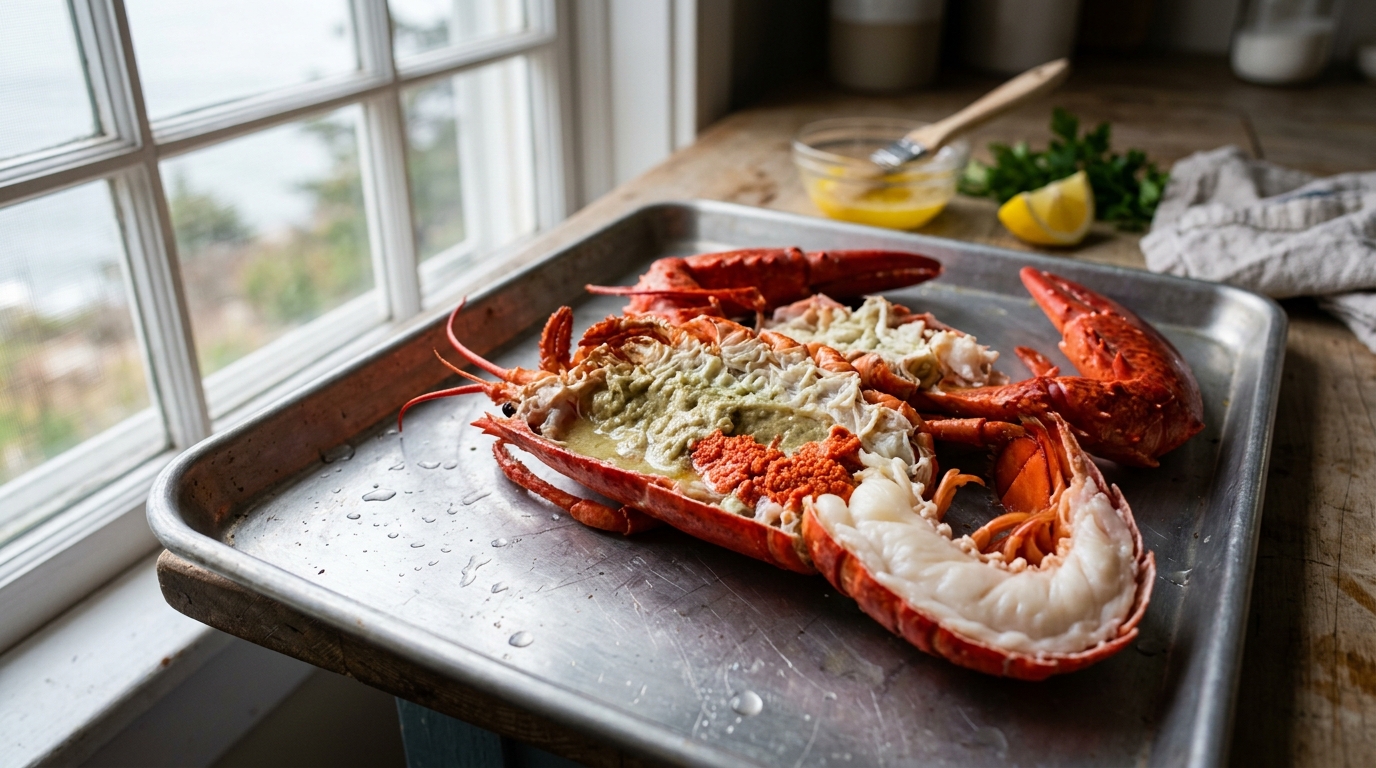
When you crack open a freshly steamed Maine lobster, you expect sweet white claw meat and rich tail chunks. However, you will also notice a soft, creamy green substance resting inside the main body cavity. Known among chefs as lobster tomalley, this unusual culinary component sparks intense curiosity and occasional hesitation. In fact, this green treasure holds a celebrated place in classic coastal cooking traditions.
While some diners push this soft green substance aside, seasoned seafood lovers consider it an exquisite delicacy. Therefore, understanding the biology, history, and culinary uses of this rich organ changes how you enjoy whole lobster. In addition, knowing the health guidelines surrounding seafood harvesting ensures you savor every bite safely. Exploring this unique delicacy reveals the rich complexity of ocean-to-table dining.
What Is Lobster Tomalley? The Biology of the Hepatopancreas
The Digestive Powerhouse of the Lobster
Scientifically speaking, tomalley is not simply liver or pancreas, but an organ called the hepatopancreas. This large, bi-lobed organ performs multiple biological functions simultaneously inside the lobster’s cephalothorax. Specifically, it produces digestive enzymes that break down proteins, carbohydrates, and fats from prey.
At the same time, the hepatopancreas absorbs valuable nutrients and stores essential metabolic energy reserves. Consequently, this hardworking organ contains high concentrations of natural lipids, minerals, and fat-soluble vitamins. As a result, it develops an extraordinarily dense, savory flavor profile unlike standard muscle meat.
Marine biologists study the hepatopancreas to monitor the health and nutritional status of wild crustacean populations. Therefore, this organ reflects the overall condition and diet of the animal in its marine habitat. In nature, it functions as the central chemical processing center for the entire creature.
Why It Turns Bright Green During Cooking
When a live lobster is raw, its internal organs appear dark brownish-green and somewhat liquid. However, applying steam or boiling water triggers immediate biochemical changes within the body cavity. Heat denatures the soluble proteins, causing the liquid lipids and cellular fluids to coagulate.
Specifically, the heating process creates a rich, spoonable texture similar to soft custard or fine pâté. Meanwhile, heat exposes dietary plant pigments, such as chlorophyll and carotenoids, from digested marine algae. As a result, the organ transforms into its signature pale olive-green shade.
This color shift confirms that the interior of the lobster reached safe cooking temperatures. Furthermore, the firm yet silky texture indicates the proteins set properly during the steaming process. Thus, that distinctive green color represents a completely natural reaction to heat.
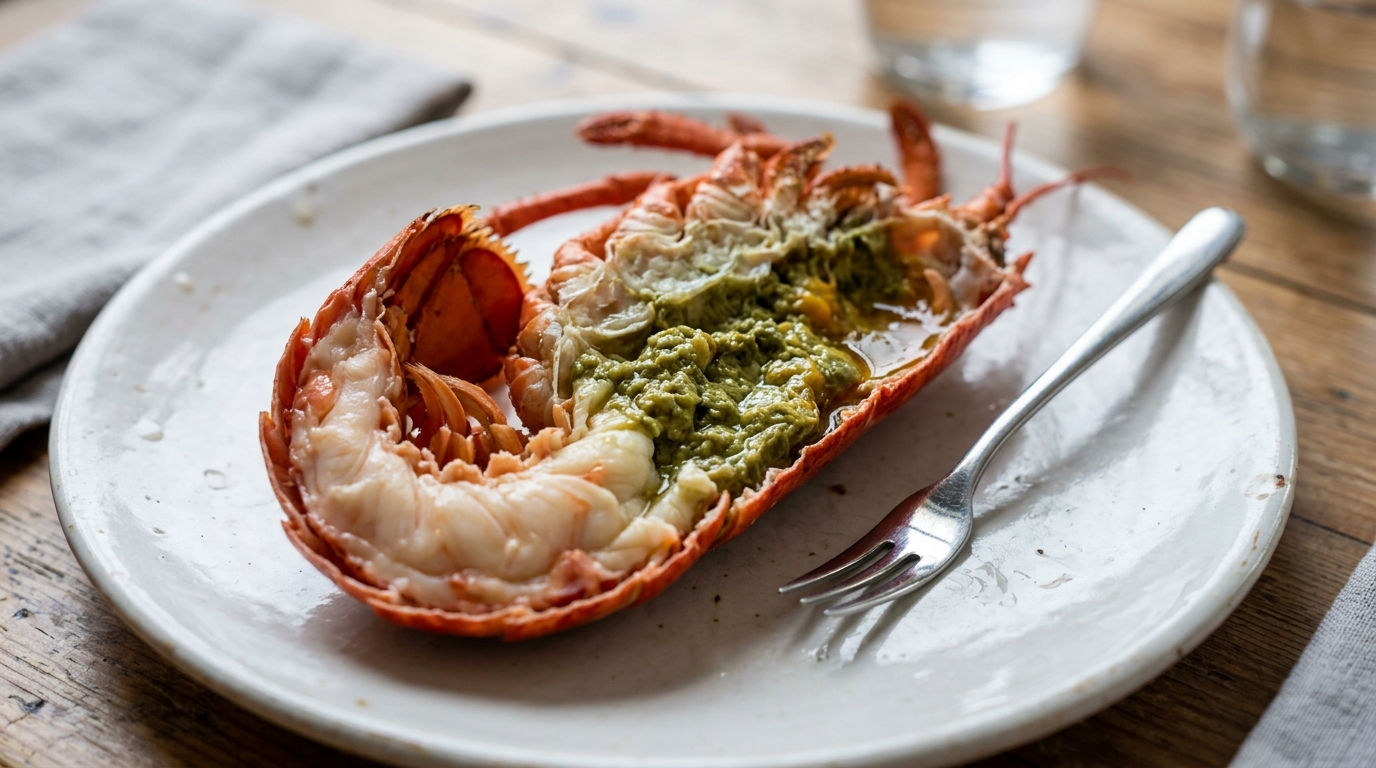
Steaming whole lobster coagulates the hepatopancreas into a rich, spoonable olive-green delicacy.
Decoding Lobster Anatomy: Tomalley Versus Coral
Tomalley Versus Red Lobster Coral
Diners frequently confuse green tomalley with the bright crimson material found inside female lobsters. Specifically, that vibrant red substance is called coral, which consists of unfertilized lobster eggs or roe. When raw, roe looks like dark, nearly black gelatinous beads along the tail.
During cooking, heat turns the roe into firm, bright red morsels with a mild, sweet flavor. In contrast, tomalley sits forward in the body cavity and remains creamy and green. Both components are prized in traditional gastronomy, but they offer distinct textures and culinary roles.
Chefs often blend both coral and tomalley together into seafood compound butters for dramatic color and richness. Consequently, knowing these anatomical differences allows you to appreciate the unique qualities of each part. Each element brings its own distinct character to the dining table.
Identifying the White Curd and Inner Shell Structures
While examining the body cavity, you may also encounter a soft white curd clinging to the meat. Many diners mistake this harmless material for fat or spoiled meat. In reality, this white substance is lobster hemolymph, the crustacean’s clear blood protein.
When exposed to boiling water, these harmless proteins coagulate into a soft white curd resembling egg white. Therefore, you can safely eat this mild curd or wipe it away according to your preference. Understanding these natural textures removes the mystery from cracking whole shellfish at home.
In addition, you should always discard the small gritty stomach sac located directly behind the lobster’s eyes. Removing this dark sand sac ensures a clean, enjoyable dining experience free of foreign particles. Thus, basic anatomical knowledge makes prepping fresh shellfish easy and rewarding.
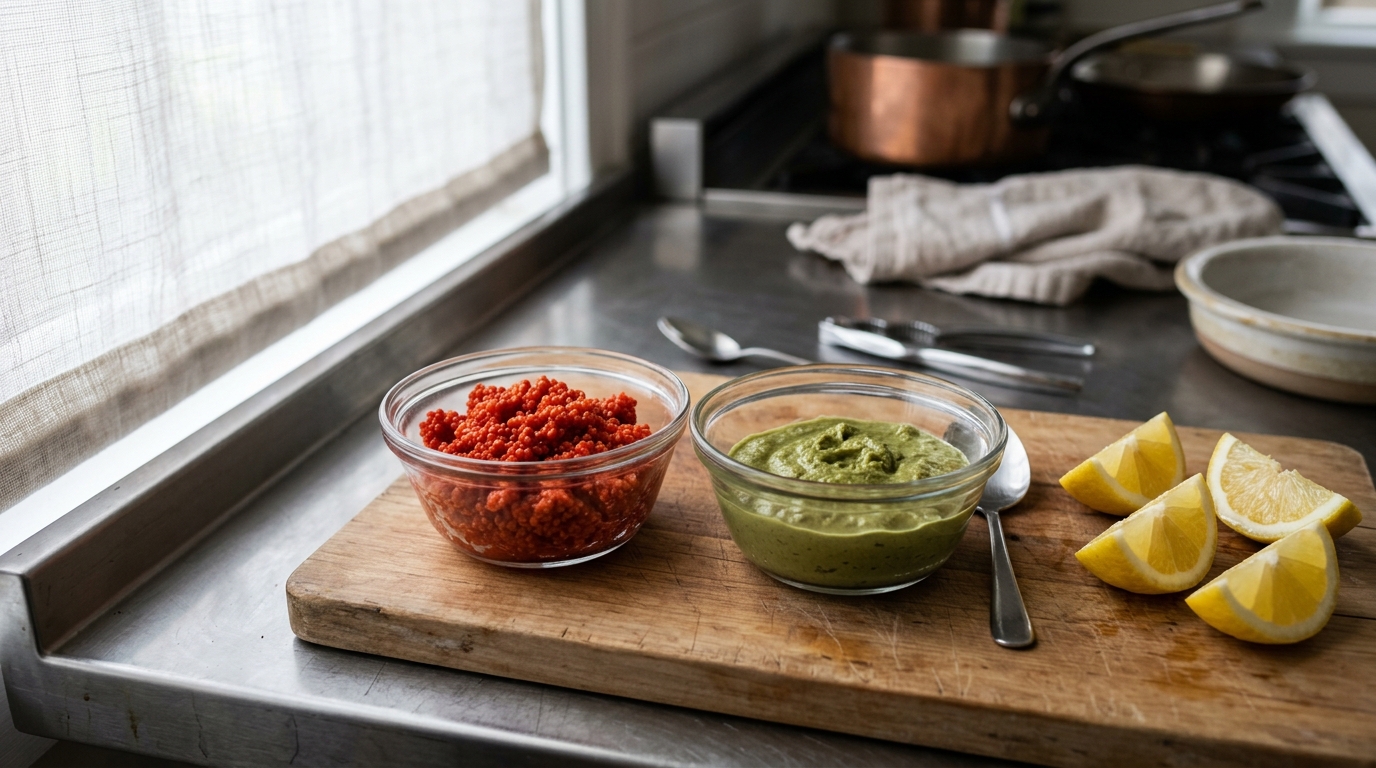
Bright red coral and creamy green tomalley offer distinct flavors and textures within whole cooked lobster.
Flavor Profile and Culinary History of Lobster Tomalley
The Foie Gras of the Ocean
Gastronomes often refer to lobster tomalley as the foie gras of the ocean due to its rich texture. When you sample a spoonful, you experience an intense burst of concentrated lobster essence. In addition, it carries a deep briny sweetness paired with a smooth, buttery mouthfeel.
The natural fats within the organ carry aromatic flavor compounds that lean muscle meat cannot match. Specifically, it delivers a deeply satisfying savory taste that lingers pleasantly on the palate. However, because the flavor is so concentrated, a small taste goes a long way.
Some beginners find the earthy intensity surprising during their first tasting. Yet, true seafood connoisseurs actively seek out this unique richness during traditional lobster bakes. Consequently, it has earned a revered status across coastal fishing communities worldwide.
Centuries of Coastal Maritime Heritage
For centuries, coastal communities across New England, Atlantic Canada, and Brittany celebrated every part of the lobster. Frugal fishing families never wasted nourishing, calorie-dense organ meats after long harvesting days at sea. Instead, cooks folded the green meat into warm biscuits, morning chowders, and savory bread puddings.
In traditional French haute cuisine, master chefs created famous specialty sauces using the rich hepatopancreas. For example, classic Homard à l’Américaine relies on tomalley to thicken seafood pan juices naturally. The natural emulsifiers within the organ create a silky sauce without relying on heavy flours.
Furthermore, vintage seaside diners in Maine routinely offered tomalley toast alongside fresh clam chowder. Fishermen spread the warm green paste over toasted rye bread seasoned with coarse black pepper. Therefore, this humble seaside ingredient connects modern food lovers with generations of maritime heritage.
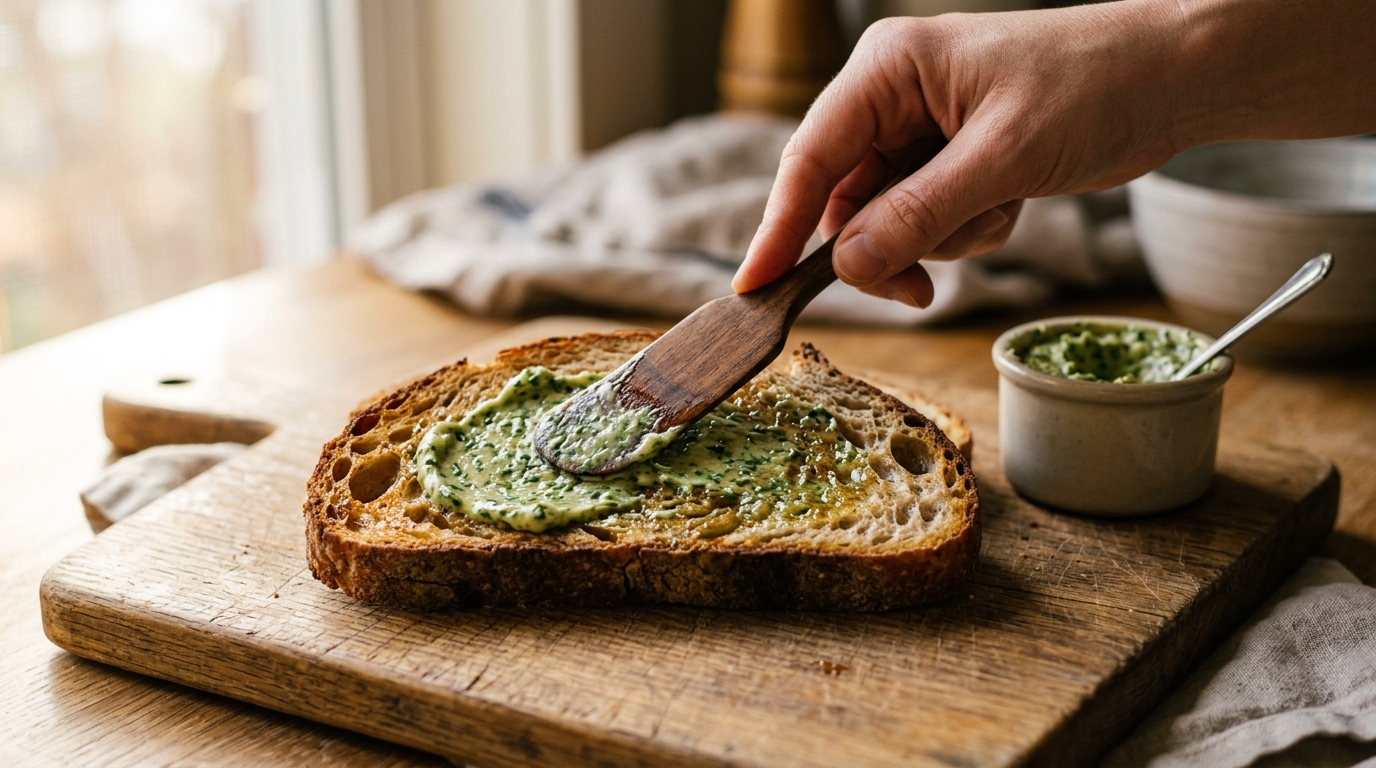
Whipped into salted butter with fresh lemon juice, tomalley creates an intensely flavorful spread for artisan breads.
Health and Safety Science: Environmental Guidelines for Tomalley
Understanding Marine Bioaccumulation and Toxins
Because the hepatopancreas acts as a biological filter, it processes substances from the lobster’s ocean environment. Occasionally, microscopic algae blooms known as red tides produce natural marine toxins called saxitoxins. Lobsters that feed on affected mollusks accumulate these toxins inside their liver tissues.
These natural biotoxins can cause Paralytic Shellfish Poisoning if consumed in large quantities by humans. Importantly, standard boiling or steaming temperatures do not neutralize or break down these heat-stable toxins. However, lobster tail and claw meat remain completely unaffected and safe to eat.
In addition, industrial pollutants like chemical PCBs can settle in ocean floor sediments where crustaceans feed. The hepatopancreas stores fat-soluble compounds, making it the primary site of chemical accumulation. Therefore, enjoying this delicacy wisely requires basic environmental awareness.
Official Consumption Guidelines and Safety Rules
State environmental agencies and the Food and Drug Administration regularly monitor coastal waters for harmful algae blooms. When toxin levels rise in specific fishing zones, government authorities issue clear public shellfish advisories. Therefore, always check local seafood advisories before foraging or consuming wild catches.
Health Canada and the FDA recommend that adults consume no more than the tomalley of one lobster per day. Furthermore, young children, pregnant women, and nursing mothers should avoid eating tomalley altogether as a precaution. Following these simple guidelines ensures you enjoy whole lobster safely without health worries.
Commercial lobsters purchased from reputable seafood markets undergo strict municipal safety screenings before sale. Consequently, enjoying the green delicacy in moderation from clean coastal waters remains a delightful experience. As a result, you can indulge in traditional seafood dining with total peace of mind.
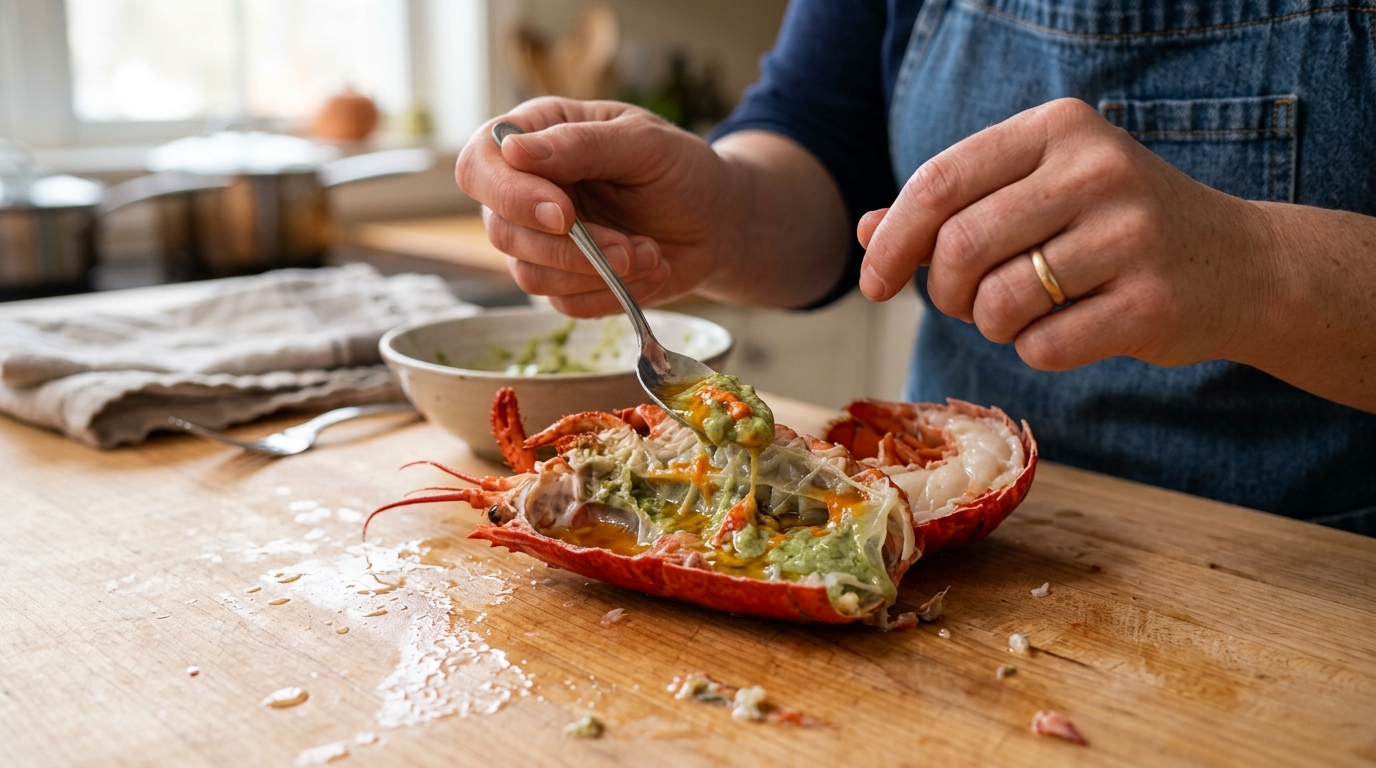
Scooping fresh tomalley from the shell allows you to blend it directly into savory seafood broths and pan sauces.
How to Harvest and Cook with Lobster Tomalley
Extracting and Inspecting Fresh Tomalley
Harvesting tomalley from a cooked lobster requires only a small teaspoon and a gentle hand. Follow these simple steps to collect and evaluate the delicacy in your home kitchen:
- Step 1: Split the Carapace: Twist the tail away from the body and cut the upper shell lengthwise.
- Step 2: Locate the Organ: Look for the creamy olive-green material lining the body cavity walls.
- Step 3: Scoop Gently: Use a small spoon to lift the green paste cleanly away from the shell cartilage.
- Step 4: Inspect the Aroma: Verify that the tomalley smells fresh, briny, and sweet like the clean ocean.
- Step 5: Separate Gritty Parts: Avoid scooping the dark stomach pouch located near the front head section.
Fresh tomalley should possess a smooth, uniform green color without watery black separation. If the material smells foul, sour, or overly pungent, discard it immediately. Consequently, proper handling guarantees only the freshest, sweetest flavors reach your dinner table.
Creating Rich Compound Butters and Dipping Sauces
One of the easiest ways to enjoy tomalley is by whipping it into a luxurious compound butter. Specifically, blend two tablespoons of cooked tomalley with half a cup of softened salted butter. Add a splash of fresh lemon juice, chopped fresh chives, and a pinch of ground cayenne pepper.
Roll the seasoned butter into parchment paper and chill until firm in the refrigerator. Slice rounds of this savory butter over warm grilled fish, steamed vegetables, or crusty sourdough bread. In addition, you can melt this compound butter as a decadent dipping sauce for sweet lobster claws.
Furthermore, stirring a spoonful of tomalley into simmering seafood broth adds incredible body and aroma. The natural fats emulsify smoothly into the hot liquid, enriching soups without heavy dairy creams. Thus, this versatile ingredient turns everyday seafood cooking into an unforgettable culinary treat.
Embracing the Full Flavor of Coastal Seafood
Learning the secrets of lobster tomalley connects you to an authentic tradition of sustainable, nose-to-tail culinary craftsmanship. Rather than discarding this flavorful organ, knowledgeable home cooks celebrate its rich, savory depth. Furthermore, respecting environmental guidelines ensures you enjoy this ocean delicacy safely and responsibly.
The next time you sit down to a whole lobster dinner, look closely inside the shell. Take a moment to sample that small spoonful of creamy green goodness. By embracing every facet of the harvest, you savor the true, complete essence of the sea.

Emma D. is the creator, administrator, and voice behind Forum Sever. With a deep-rooted passion for vintage charm and practical living, Emma shares thoughtful homemaking guides, creative DIY projects, heirloom gardening advice, and stories celebrating everyday nostalgia.
Whether reviving timeless family recipes, propagating backyard perennials, or transforming thrifted finds into cozy home centerpieces, her goal is simple: helping readers cultivate a warm, intentional, and handcrafted life. When she isn’t managing the community at Forum Sever, you’ll likely find her in the garden with dirt on her hands, a notebook by her side, and a warm cup of herbal tea nearby.