Your phone buzzes in the middle of a Tuesday morning. You look down, see the school front desk on the caller ID, and feel that familiar knot tighten in your stomach. It is rarely a call about an unprompted citizenship award. It is the nurse letting you know your child was spotted vigorously scratching behind their ears. Knowing how to get rid of head lice at home can make the calmest parent want to strip every mattress to the bare springs and burn the laundry pile.
Take a slow breath, put down the toxic pesticide sprays, and step away from the giant trash bags. These little bugs are an annoying nuisance, not a household disaster or a reflection of your family hygiene. With a solid metal comb, a bottle of inexpensive white hair conditioner, and a basic understanding of their reproductive timeline, you can clear this up completely without losing your sanity.
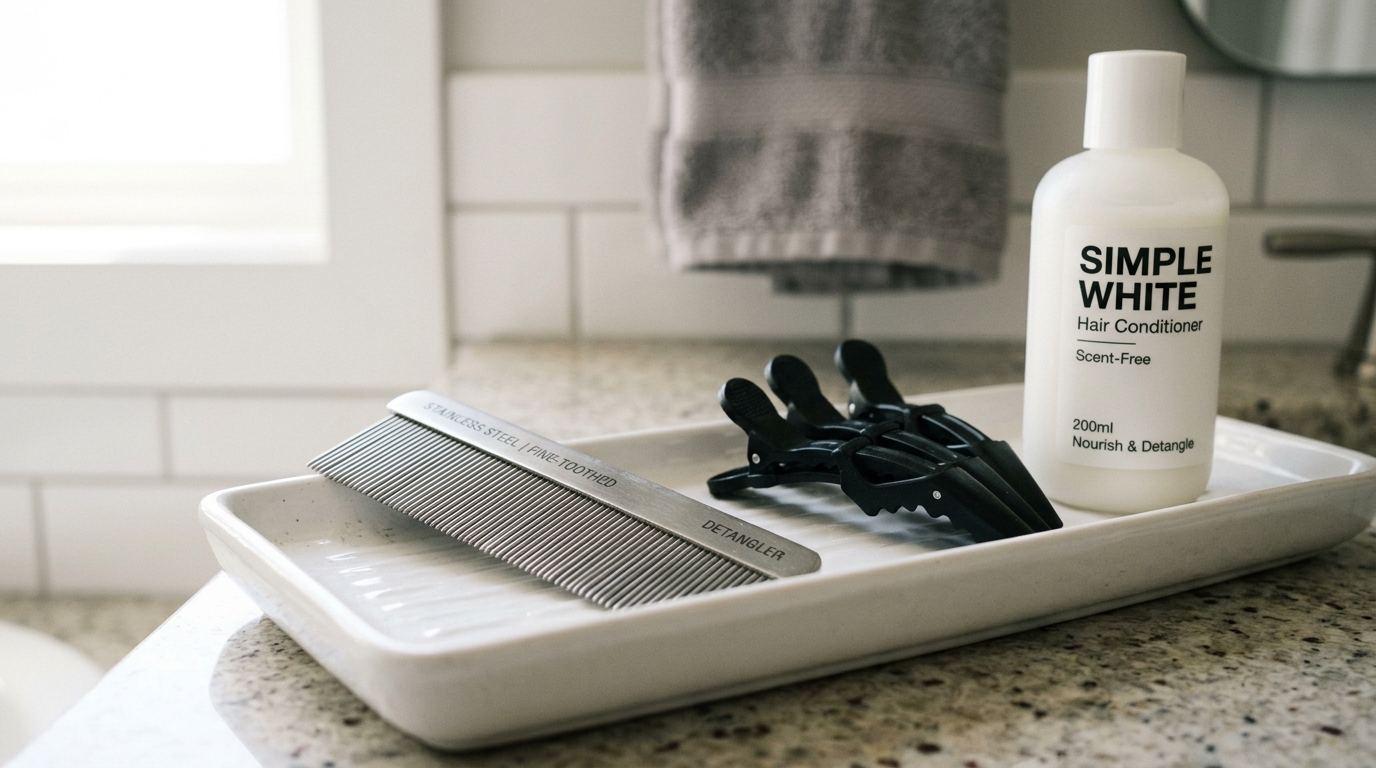
A sturdy metal comb with micro-grooved teeth is the single most effective tool for clearing nits from damp hair.
The Modern Reality: Why Old-School Shampoos Often Fail
For decades, parents relied on drugstore permethrin and pyrethrin shampoos as their first line of defense. You bought the boxed kit, washed your child’s hair, and expected the problem to vanish by morning. Unfortunately, biology caught up with commercial chemistry.
Over the past twenty years, head lice developed widespread genetic resistance to traditional chemical treatments. These resistant strains, often called “super lice,” simply do not respond to old pesticide formulas. Parents end up applying multiple rounds of harsh chemicals, only to find live bugs crawling through their child’s hair forty-eight hours later.
The solution is not stronger pesticides; it is physical removal and suffocation. Modern dimethicone-based lotions and thick conditioning agents coat the louse’s breathing spiracles, immobilizing the bugs so they cannot crawl away while a specialized comb pulls both bugs and glued eggs off the hair shaft.
“Pesticides rely on nerve chemistry that lice have learned to resist, but no bug can develop resistance to physical removal with a micro-grooved metal comb.”
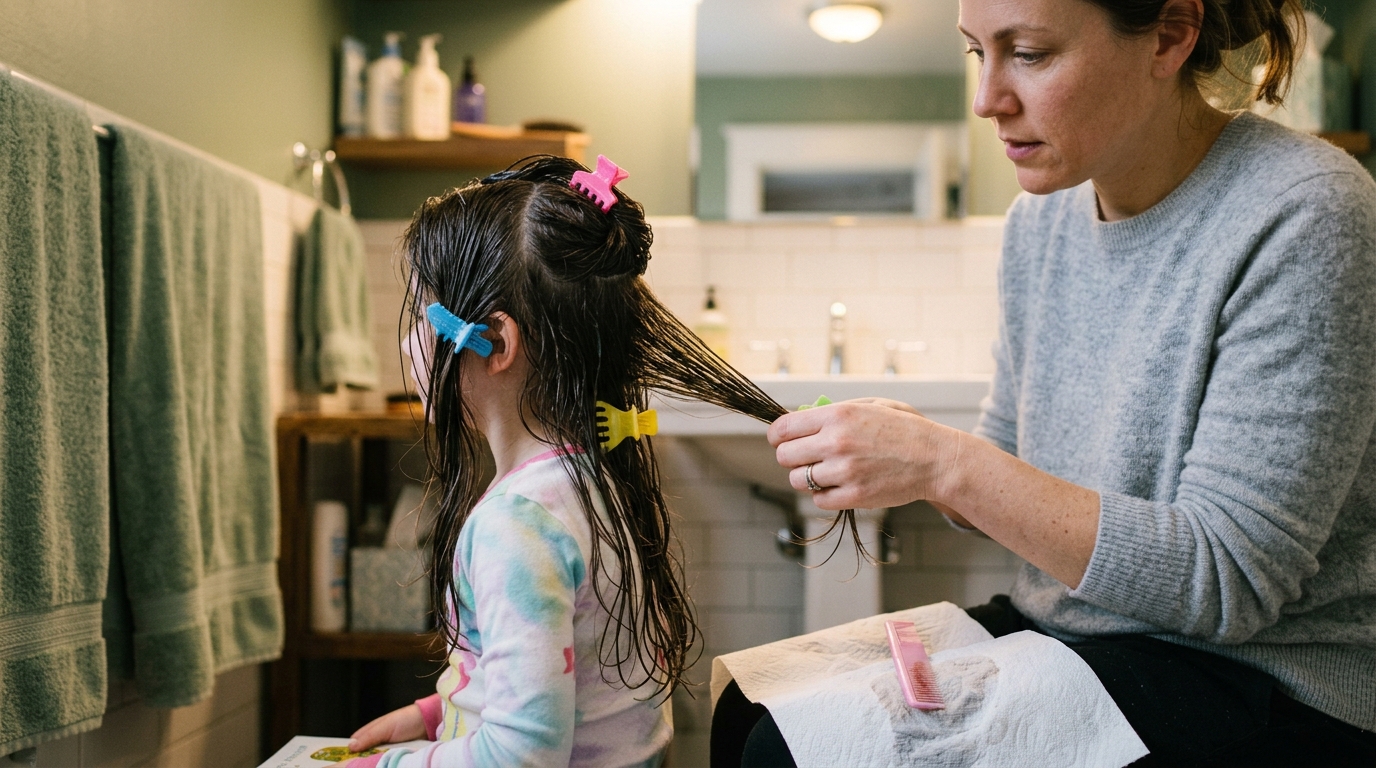
Working in thin, one-inch sections ensures no stray nits or crawling bugs escape the comb.
How to Get Rid of Head Lice at Home with the Wet-Combing Method
Manual wet combing is the gold standard for clearing an infestation safely and permanently. It takes patience and a comfortable chair, but it delivers reliable results without irritating sensitive young scalps.
Start by getting the right tool. Cheap plastic combs included in boxed kits flex and let tiny eggs slip right between the teeth. Invest in a heavy stainless-steel comb featuring tightly spaced, micro-grooved teeth (such as the Nit Free Terminator). The tiny etched grooves physically snag the glued nit shells that smooth teeth miss.
Step-by-Step Combing Technique
- Coat with White Conditioner: Wash the hair with regular shampoo, then slather the wet strands with a generous amount of plain white hair conditioner. The conditioner stuns the lice, prevents them from scurrying away, and lets the metal comb glide smoothly without snapping hair.
- Section Thoroughly: Part the hair down the center, then clip it into four to six manageable quadrants using sturdy plastic salon clips. Work on one thin, one-inch section at a time.
- Comb from the Scalp Out: Place the comb teeth flat against the scalp and draw the comb smoothly all the way down to the ends of the hair strands. Nits are laid within a quarter-inch of the skin where body warmth keeps them alive.
- Wipe and Inspect: Wipe the comb on a clean white paper towel after every single stroke. You will instantly see dark specks (live nymphs or adults) and pale teardrop-shaped nits.
- Rinse and Repeat: Continue until you can comb through each quadrant twice without seeing a single bug or egg on your paper towel.
The 14-Day Life Cycle and Re-Treatment Schedule
The single biggest mistake families make is stopping after one successful combing session. A single missed nit will hatch in seven to ten days, restarting the entire cycle just when you thought the coast was clear.
Lice eggs take approximately seven to nine days to incubate before hatching into nymphs. Nymphs require another nine to twelve days of growth before they mature into adults capable of laying fresh eggs. That leaves you a reliable window of opportunity to eliminate them before they can reproduce.
Follow the standard four-session schedule to guarantee success:
- Day 1: Initial wet-combing session to remove all adult lice, nymphs, and the vast majority of glued nits.
- Day 5: Second session to catch any stray eggs that hatched into tiny nymphs before they grow large enough to move easily.
- Day 9: Third session to sweep up late-hatching stragglers before they reach reproductive maturity.
- Day 13: Final sweep to verify that the hair remains completely clear and no new generation has emerged.
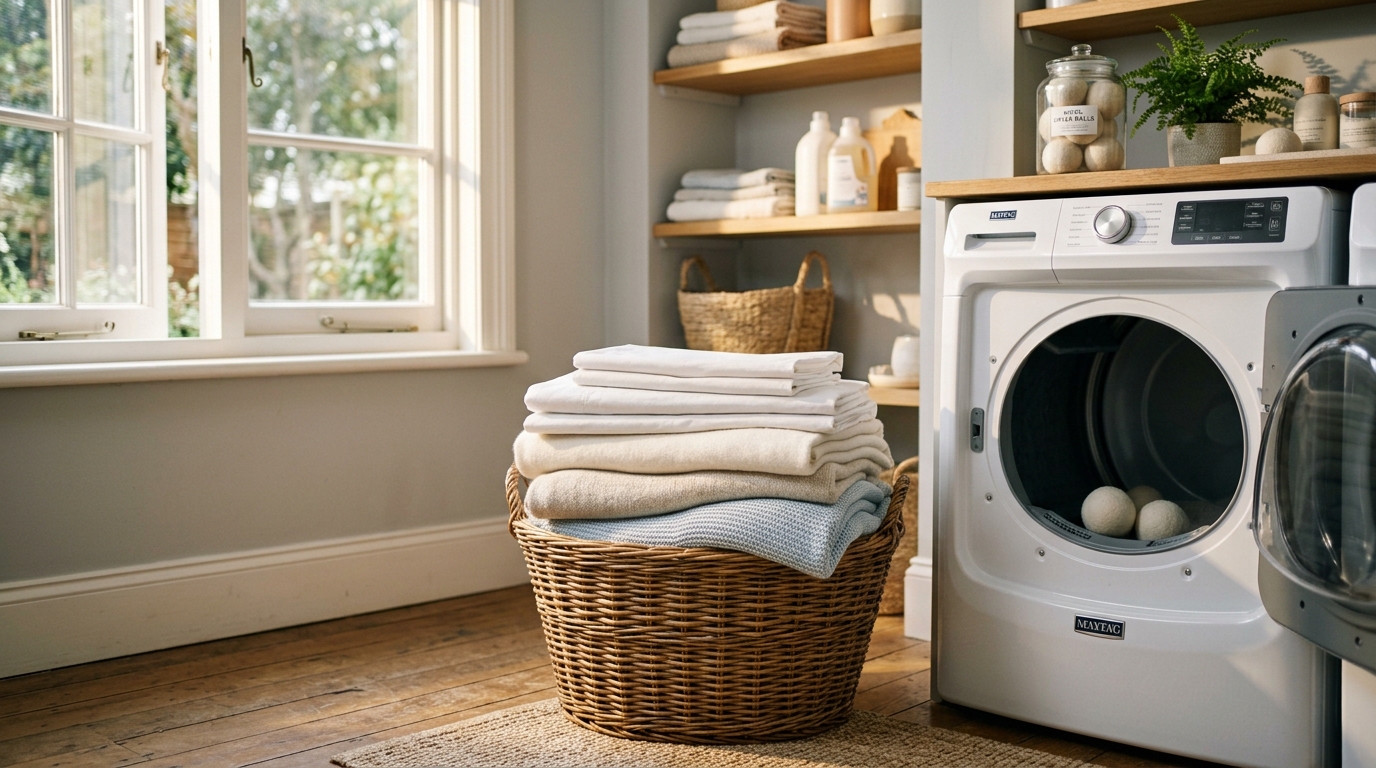
A high-heat cycle in your clothes dryer neutralizes stray bugs on bedding without hours of deep scrubbing.
Housework Without the Panic: What Actually Needs Cleaning
When panic strikes, it is tempting to spend twelve hours bleaching baseboards, vacuuming mattresses until the motor smells hot, and sealing every stuffed animal into garbage bags for six weeks. Save your energy for what actually matters.
Head lice are obligate human parasites. They cannot survive without a human host for blood meals and body warmth. Away from the scalp, an adult louse becomes sluggish and dies of dehydration within twenty-four to forty-eight hours. They cannot burrow into couch cushions or lay eggs on carpets.
Focus your cleaning energy strictly on items that touched the head during the preceding forty-eight hours:
- Pillowcases and Sheets: Strip the bed linens and run them through a hot dryer cycle for thirty minutes. High, dry heat is far more lethal to lice and nits than water.
- Brushes and Hair Accessories: Collect all hair ties, clips, and brushes. Submerge them in water heated to at least 130°F (54°C) for ten minutes, or soak them in rubbing alcohol.
- Favorite Hats and Jackets: Toss recently worn hoodies, winter beanies, and coats into the dryer on medium-to-high heat for twenty minutes.
- Upholstery Quick-Check: Run a lint roller or vacuum attachment across the main sofa cushions and car seat headrests. Skip the chemical aerosol sprays entirely; they are unnecessary and introduce harsh airborne fumes to your living spaces.

Keeping hair neatly braided or tied back during school days significantly cuts down on head-to-head contact.
Managing School Notifications and Protecting Your Child’s Confidence
Stigma is often the hardest part of dealing with head lice. Children can quickly feel embarrassed, dirty, or isolated if the situation is treated like a shameful secret. Remind your child that lice actually prefer clean, healthy hair and that millions of kids handle this exact same challenge every single season.
Send a polite, discreet note or email to your child’s teacher, daycare provider, or close playdate parents. A quick message like, “Hi everyone, we noticed a few head lice on our daughter this evening and have started our combing treatment. Just wanted to give a quick heads-up so you can check your own kids’ hair this week!” helps stop the classroom cycle without drama.
To reduce the chance of picking up new hitchhikers, establish simple daily routines before the school bus arrives:
- Braid Long Hair: Keep long hair pulled back in tight French braids, buns, or high ponytails during school hours to minimize stray strands brushing against classmates.
- Use Scented Detanglers: Spritz hair with a leave-in conditioner infused with a few drops of natural peppermint, tea tree, or rosemary oil. While not a guaranteed shield, lice strongly dislike strong botanical aromas.
- Teach Personal Space: Remind children not to share bike helmets, sports gear, headphones, or dress-up costumes during sleepovers and group play.
Finding Your Rhythm and Moving Forward
Managing an outbreak feels intense while you are in the thick of it, but it is entirely temporary. Understanding how to get rid of head lice at home with structured wet combing and straightforward laundry habits takes away the mystery and gives you back full control over your household routine.
Put on a fun family movie, set up a comfortable chair with good lighting, and work through the sections with calm, steady hands. In two short weeks, the combing sessions will be behind you, your linen closet will be fresh, and you will know exactly how to handle any future schoolyard surprises with total confidence.

Emma D. is the creator, administrator, and voice behind Forum Sever. With a deep-rooted passion for vintage charm and practical living, Emma shares thoughtful homemaking guides, creative DIY projects, heirloom gardening advice, and stories celebrating everyday nostalgia.
Whether reviving timeless family recipes, propagating backyard perennials, or transforming thrifted finds into cozy home centerpieces, her goal is simple: helping readers cultivate a warm, intentional, and handcrafted life. When she isn’t managing the community at Forum Sever, you’ll likely find her in the garden with dirt on her hands, a notebook by her side, and a warm cup of herbal tea nearby.