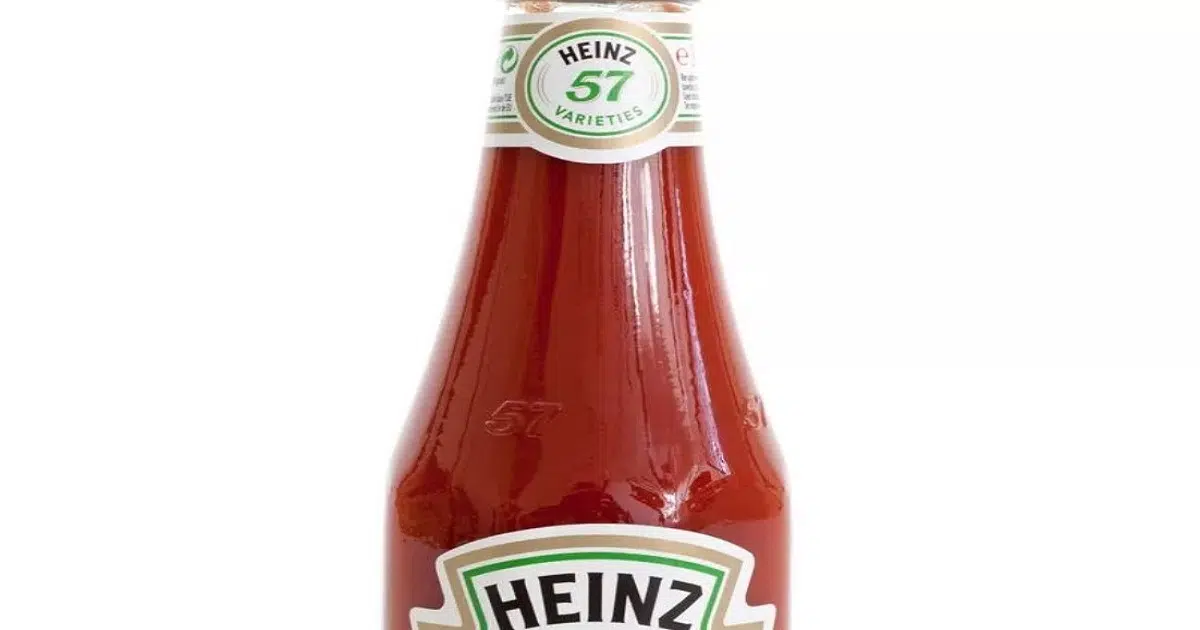
Every home cook knows the gentle drumbeat of the Sunday dinner table. Someone grabs the glass bottle of Heinz. Then, they turn it upside down and give the bottom a frantic thwack. Nothing moves at first. As a result, you tap again. Suddenly, a red tidal wave floods your plate. Yet, a tiny embossed number sits right on the curve of that glass neck. If you have ever wondered why does Heinz ketchup say 57, the answer is surprising. It combines early psychology, food history, and a clever kitchen hack.
Golden homemade fries paired with the timeless glass bottle that turned ordinary table condiments into culinary icons.
The Elevated Train Ride That Sparked a Branding Legend
In 1892, Henry John Heinz rode an elevated train through Manhattan. His condiment business was already growing quickly. Years earlier, he began bottling clear jars of fresh horseradish. He chose clear glass so shoppers could inspect the pure ingredients. Consequently, his honest approach helped him build a trusted brand across the country.
During that train ride, Heinz spotted a simple advertisement. The placard promoted “21 styles of shoes.” The shoe company did not actually stock a massive inventory. Instead, the phrase was simply a catchy slogan to suggest variety. The clever number stuck in his mind immediately. Therefore, Heinz realized that a specific digit could catch a shopper’s eye.
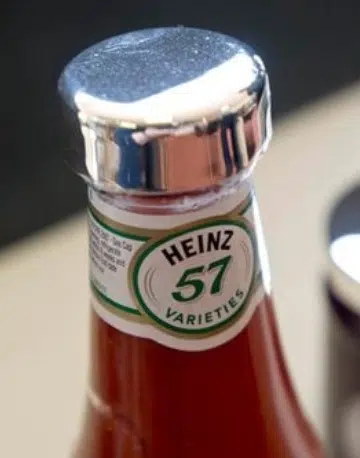
The classic neck label proudly highlighting “57 Varieties”—a badge that has remained virtually unchanged on dining tables across generations.
After the trip, Heinz counted all of his company’s products. He was producing more than 60 distinct foods at the time. For instance, his factories made apple butter, mincemeat, chili sauce, and relishes. However, sixty-something sounded messy to him. It simply lacked punch.
The Numerology Behind the Choice
Because of this, Heinz started experimenting with numbers. Five was his personal lucky number. Meanwhile, seven was his wife Sarah’s favorite digit. He put them together to form 57. The number felt memorable, balanced, and unique. Thus, it stood out on crowded general store shelves.
“A slogan that sounds definitive will always outlive a literal count.” — Early marketing lore from the H.J. Heinz archives
Soon after, “57 Varieties” appeared everywhere. Workers painted the slogan onto barn roofs across America. In addition, the company embossed the digits directly onto the glass neck of every bottle.
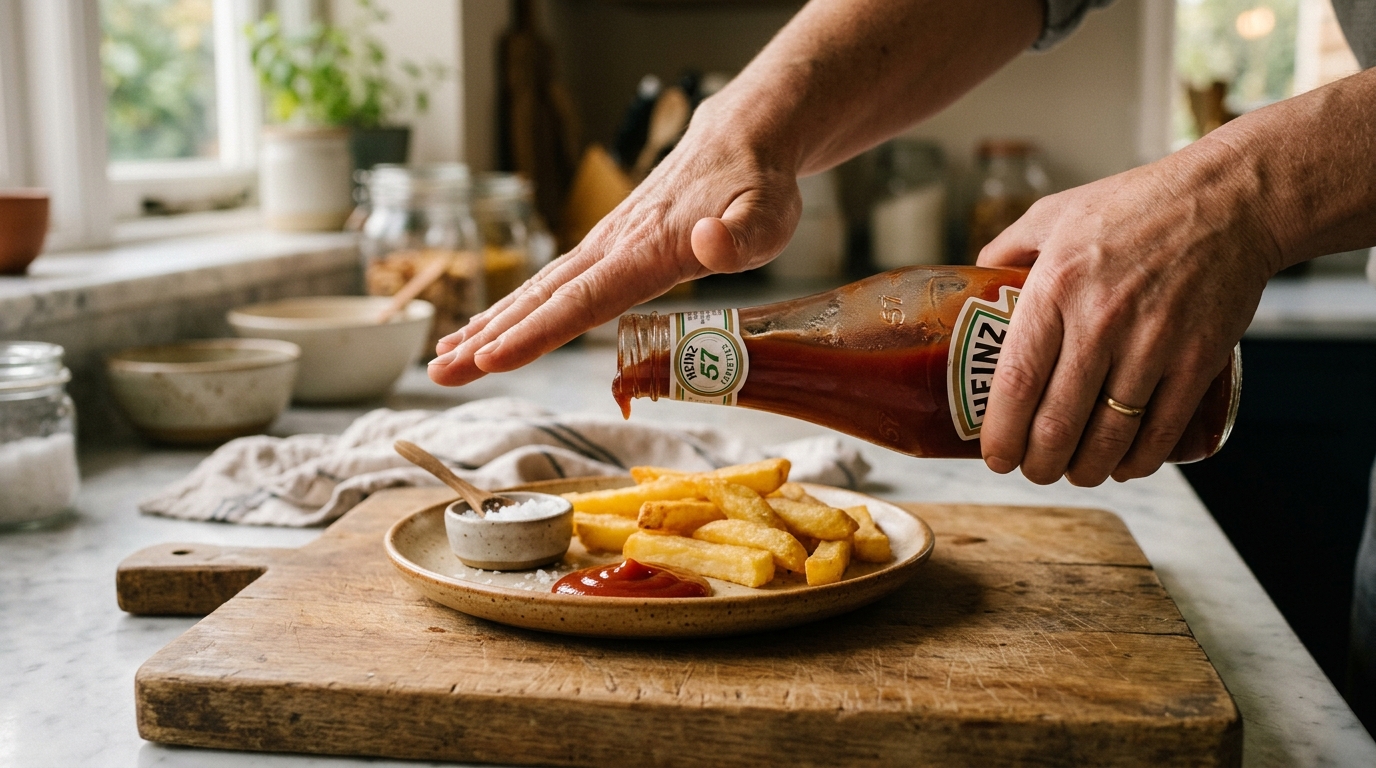
Tapping the sweet spot: applying gentle pressure right on the embossed shoulder gets sluggish ketchup moving without making a mess.
The Physics of the “57” Sweet Spot (Why Tapping Works)
Diners often struggle to pour ketchup from a glass bottle. Slapping the base with an open hand usually fails. In fact, it often leads to sudden spills. Fortunately, the embossed number 57 provides an easy solution based on basic physics.
Ketchup is a non-Newtonian fluid. Specifically, it behaves like a soft solid when resting in the pantry. However, it thins out when exposed to sudden motion or shear force. When you smack the base, you hit the wrong end. As a result, you lock the air pocket inside the neck.
- First, tilt the bottle: Hold the neck at a 45-degree angle toward your plate.
- Next, locate the mark: Find the raised “57” stamped on the glass shoulder.
- Then, tap firmly: Strike the embossed number using the side of your palm.
Consequently, this targeted tap sends vibrations straight through the bottleneck. The movement breaks the sauce’s internal resistance quickly. Air slips inside the bottle easily. Therefore, a smooth stream of ketchup pours out neatly.
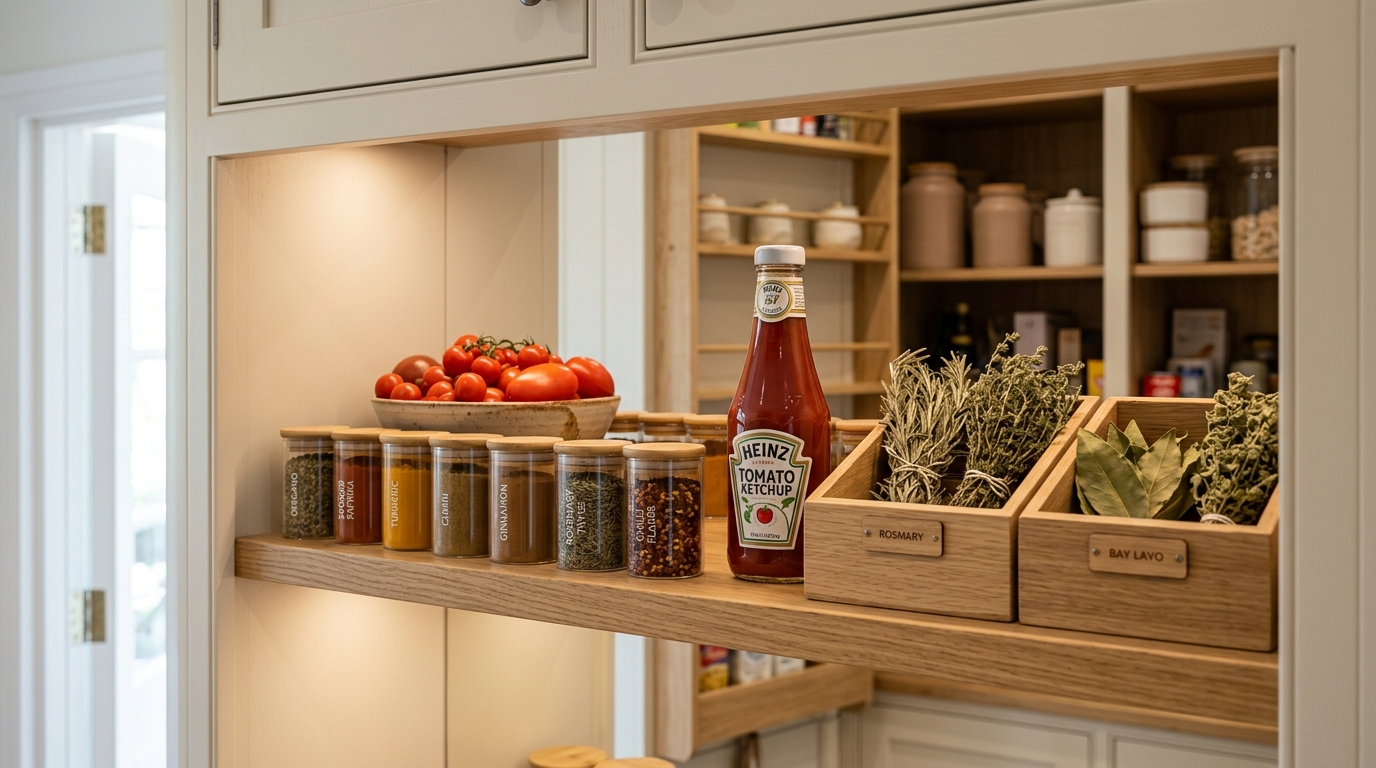
Long before modern grocery aisles existed, Henry Heinz organized a whole pantry lineup that laid the groundwork for today’s kitchen staples.
Beyond the Label: How Heinz Shaped the Modern Kitchen
Henry Heinz contributed more than just memorable slogans to food history. During the nineteenth century, commercial condiments often contained artificial dyes. In contrast, Heinz insisted on clean, ripe ingredients. He used whole tomatoes, distilled vinegar, brown sugar, and warm spices.
Furthermore, he supported the Pure Food and Drug Act of 1906. He opened his clean factories to public tours. Visitors watched cooks simmer tomatoes in large copper kettles. Because of these standards, the red bottle became a dependable pantry essential.
Everyday Pantry Ideas Using Classic Red Sauce
Classic ketchup is versatile beyond fast food meals. Indeed, it works as a quick base for simple homemade dinners:
- Savory Glaze: First, whisk ketchup with maple syrup and apple cider vinegar. Then, brush it over roasted vegetables.
- Quick Dipping Sauce: Mix equal parts ketchup and plain Greek yogurt. Next, add smoked paprika and fresh chives for roasted potatoes.
- Stew Enhancer: Stir a spoonful into vegetable chili near the end of cooking. Thus, you add acidity and balance the savory flavors.
The next time you set the table, check the bottle’s neck. The answer to why does Heinz ketchup say 57 is straightforward. Overall, it combines vintage advertising instincts with a practical design that makes pouring easier every day.

Emma D. is the creator, administrator, and voice behind Forum Sever. With a deep-rooted passion for vintage charm and practical living, Emma shares thoughtful homemaking guides, creative DIY projects, heirloom gardening advice, and stories celebrating everyday nostalgia.
Whether reviving timeless family recipes, propagating backyard perennials, or transforming thrifted finds into cozy home centerpieces, her goal is simple: helping readers cultivate a warm, intentional, and handcrafted life. When she isn’t managing the community at Forum Sever, you’ll likely find her in the garden with dirt on her hands, a notebook by her side, and a warm cup of herbal tea nearby.