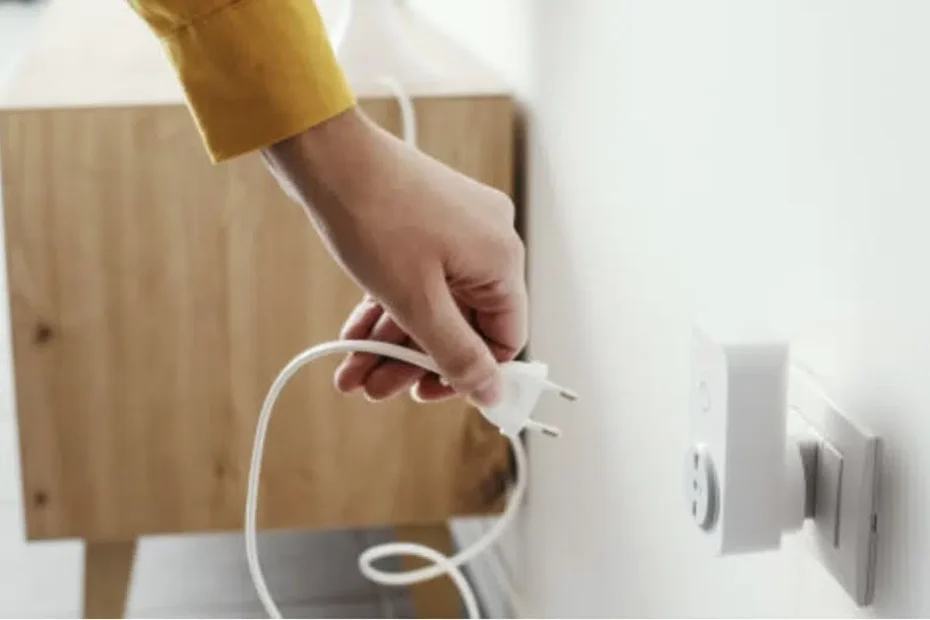
Unplugging unused chargers and smart adapters stops phantom power drain instantly.
You climb into bed, shut off the lamp, and look around your dark bedroom. However, glowing red power lights and glowing charger bricks still shine from every corner. Many frustrated homeowners ask the same practical question: does unplugging appliances save electricity?
The honest, direct answer is yes. In fact, cutting phantom load can save you hundreds of dollars over time.
So, let us look at what devices actually drain your monthly budget. We will also explore smart fixes that protect your wallet and your home.
Does Unplugging Appliances Save Electricity in Modern Homes?
Most modern electronics never completely shut down. Instead, they remain stuck in an active sleep state called standby mode.
Consequently, internal sensors, remote receivers, and digital clocks continuously pull power from your electrical outlets. Energy auditors often refer to this quiet waste as vampire power.
Actually, standby power accounts for roughly ten percent of an average household electric bill. If your monthly energy bill sits around two hundred dollars, you might waste twenty dollars every single month.
Therefore, cutting these phantom loads offers immediate financial relief. You do not need expensive electrical overhauls to see real savings on your utility statement.
The Worst Energy Vampires in Your Living Room
Your entertainment center contains some of the hungriest phantom loads in your entire home. For instance, high-end gaming consoles draw fifteen to twenty watts while resting in standby mode.
Subwoofers, soundbars, and cable boxes also sip electricity constantly while waiting for remote commands. As a result, a typical entertainment console can waste over forty dollars per year in idle power.
Furthermore, desktop computer setups with dual monitors and external speakers drain heavy power overnight. So, switching off the main power strip stops this quiet cash drain instantly.
However, modern OLED televisions represent an important exception to this rule. OLED screens run automatic pixel cleaning routines in standby mode to prevent screen burn-in.
Therefore, you should always leave your primary OLED television plugged into constant wall power. Pulling the plug prematurely can degrade the picture quality over time.
Hidden Fire Hazards and Electrical Safety Benefits
Saving money on monthly utilities is great. However, protecting your family from electrical fires is even more valuable.
Older appliances and bargain charging adapters can overheat quietly inside dry wall cavities. Over time, internal capacitors degrade and create dangerous short circuits.
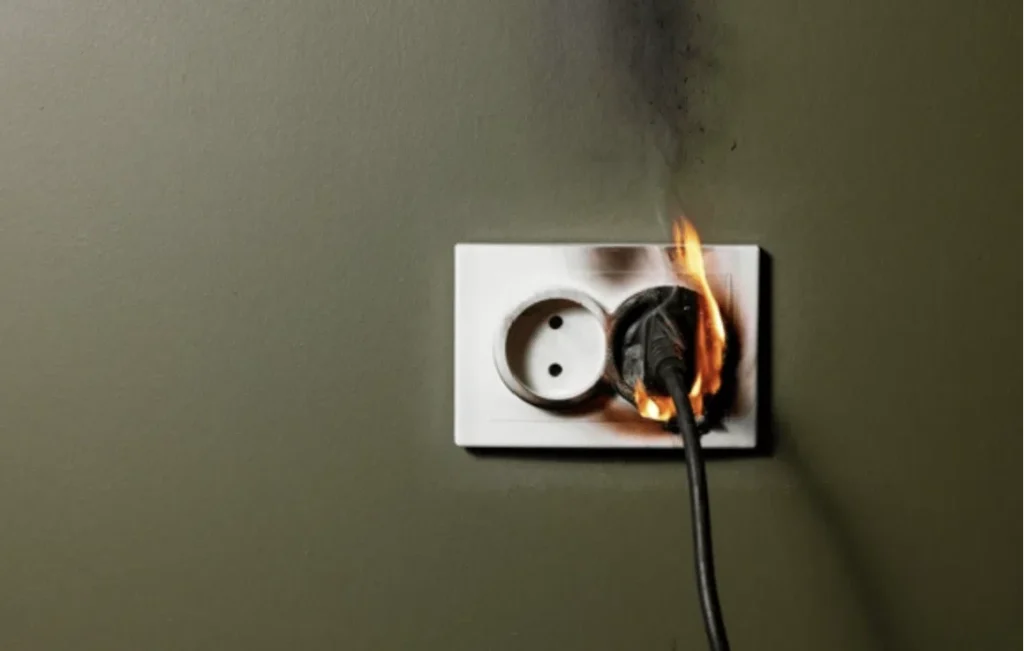
Old plugs and overloaded wall outlets can spark dangerous electrical fires if left unchecked.
As a result, an unattended, plugged-in heating tool can quickly spark an unexpected wall fire. For instance, space heaters, curling irons, and cheap toaster ovens present significant thermal risks.
Naturally, unplugging small heating appliances completely removes the risk of electrical arcing. You eliminate the fire hazard the moment the metal prongs leave the wall socket.
Besides, pulling plugs during severe thunderstorms shields sensitive electronics from damaging voltage spikes. A sudden lightning strike can destroy unshielded circuit boards in a split second.
The Kitchen Appliances You Should Disconnect Daily
Kitchen counters are packed with small heating devices that sit unused for most of the day. In fact, many countertop items feature glowing digital displays and standby memory circuits.
So, you can safely pull the cords on several common kitchen gadgets between meals:
- Air Fryers: These units draw power continuously to keep digital touch panels awake.
- Toaster Ovens: Mechanical dials and internal heating elements pose unnecessary risks when idle.
- Countertop Coffee Makers: Internal heating tanks waste energy keeping water warm all afternoon.
- Blenders and Food Processors: Motor safety switches draw slight phantom current around the clock.
- Electric Kettles: Base stands with temperature presets drain constant background electricity.
Naturally, you should keep your main refrigerator and freezer running uninterrupted. Modern cooling compressors require stable current to maintain food safety standards.
Similarly, modern smart ranges and induction cooktops need steady power for electronic clock calibration. So, leave major heavy kitchen appliances wired safely in place.
Smart Home Upgrades That Cut Standby Waste Automatically
Crawling behind heavy wooden furniture to pull plugs every evening is exhausting. Fortunately, smart hardware solutions make power management totally effortless.
For example, smart power strips automatically cut power to peripheral outlets when you turn off the main television. As a result, your soundbar, streaming box, and game console power down together.
Additionally, budget-friendly Wi-Fi smart plugs allow you to schedule automatic shutoff times from your smartphone. You can schedule your home office charging station to disconnect completely at 8 PM every night.
In fact, plug-in power meters help you measure exact watt usage for individual appliances. These inexpensive monitors show precisely how many cents a specific gadget draws each day.
Therefore, you can make informed decisions based on real data rather than random guesses. You will quickly identify which devices justify an automated smart plug switch.
Room-by-Room Home Energy Audit Checklist
Performing a quick weekend electrical audit helps you spot energy vampires across every room. So, grab a notepad and follow these straightforward inspection steps:
- Home Office: Group your printer, monitor, and desktop speakers onto a single surge protector with an accessible foot switch.
- Master Bedroom: Disconnect phone and tablet charging cords once battery levels hit one hundred percent.
- Guest Room: Unplug secondary televisions, digital clocks, and window air conditioning units until visitors arrive.
- Basement Workshop: Disconnect power tool battery chargers as soon as indicator lights turn green.
- Laundry Area: Check iron cords for fraying and unplug steam stations after every ironing session.
Actually, dedicating fifteen minutes to this audit will cut noticeable kilowatt-hours from your next bill. Furthermore, organizing your cables reduces messy floor clutter along baseboards.
Consequently, your living spaces look tidier while your home runs far more efficiently. Clean cord management makes routine vacuuming and dusting much faster as well.
Practical Cord Care and Outlet Safety Guidelines
While pulling cords saves money, improper technique can damage your household wiring. For instance, yanking directly on the flexible wire weakens the internal copper strands over time.
Always grip the molded plastic plug head firmly with your fingers before pulling. This simple habit prevents loose electrical connections and extends cord life significantly.
Additionally, inspect wall outlet faceplates for warmth, discoloration, or loose fits. A loose wall socket creates dangerous electrical resistance that wastes energy and generates excess heat.
So, replace worn wall receptacles promptly using licensed local electrical contractors. Maintaining tight electrical connections ensures safe, efficient power delivery throughout your home.
Final Verdict on Unplugging Household Appliances
So, does unplugging appliances save electricity and lower your annual bills? The evidence clearly shows that targeting high-draw energy vampires yields worthwhile financial savings.
You do not need to unplug every lamp or reset your microwave clock daily. However, managing idle entertainment centers, countertop heaters, and battery charging banks delivers real budget relief.
Invest in a few smart surge protectors and make power management part of your nightly routine. Your electrical system will stay safer, and your bank account will thank you every billing cycle.

Emma D. is the creator, administrator, and voice behind Forum Sever. With a deep-rooted passion for vintage charm and practical living, Emma shares thoughtful homemaking guides, creative DIY projects, heirloom gardening advice, and stories celebrating everyday nostalgia.
Whether reviving timeless family recipes, propagating backyard perennials, or transforming thrifted finds into cozy home centerpieces, her goal is simple: helping readers cultivate a warm, intentional, and handcrafted life. When she isn’t managing the community at Forum Sever, you’ll likely find her in the garden with dirt on her hands, a notebook by her side, and a warm cup of herbal tea nearby.