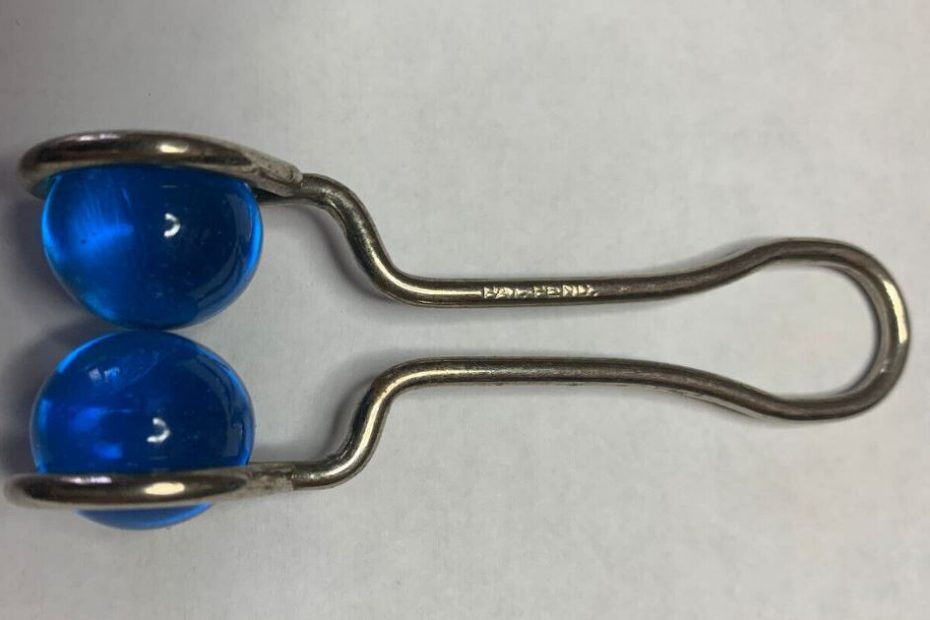
This cobalt blue vintage sharpener uses spring tension and glass marbles to hone razor edges.
Have you ever spotted a strange wire gadget holding two glass spheres at an antique market? At first glance, it looks like a quirky toy or forgotten industrial hardware. However, that curious tool is actually a vintage marble razor sharpener from the Great Depression.
Thrifty households used these clever little devices to save money on expensive replacement blades. In fact, running a dull blade between two polished glass marbles smoothed out microscopic metal burrs in seconds. So, let us explore how these historic tools work and why collectors still hunt for them.
The Mechanical Science Behind the Vintage Marble Razor Sharpener
Modern sharpeners typically rely on aggressive grinding stones or diamond plates to shave away metal. In contrast, an authentic vintage marble razor sharpener removes zero steel during use. Instead, it functions strictly as a gentle burnishing tool.
When you cut tough beard hair or heavy paper, the ultra-thin blade edge rolls slightly. As a result, the blade feels dull and pulls uncomfortably during use. However, sliding the blade between two glass spheres gently presses that bent edge back into straight alignment.
The curved spring steel frame maintains constant, balanced pressure against both sides of the bevel. Therefore, you achieve an even hone without thinning or weakening the steel core. In fact, it delivers the exact same benefits as a traditional barber strop in a pocket-sized package.
Why Smooth Glass Marbles Hone Steel Without Grinding
Glass is remarkably hard and slick on a microscopic level. Because soda-lime glass lacks sharp abrasive grit, it never gouges or scratches delicate carbon steel. Instead, the hard spherical surfaces burnish the rolled steel edge smoothly back toward center.
Furthermore, the round marble shape creates a single, tiny contact point along the cutting edge. So, pulling a blade through the spheres requires very little physical force. For instance, three or four light strokes quickly restore a crisp shaving edge.
Naturally, this clever design saved working families valuable money during difficult economic decades. A single safety blade could easily last for weeks of daily grooming with light maintenance.
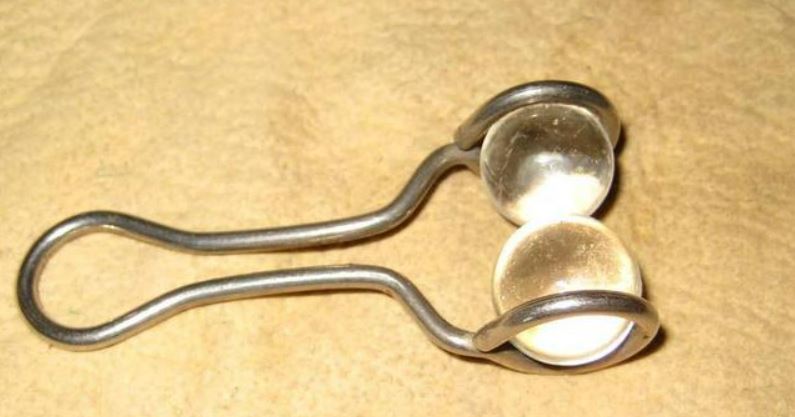
Clear glass marbles in a nickel-plated wire frame provide simple, non-abrasive edge realignment.
How To Identify and Value Kenberry Tools at Flea Markets
Finding one of these vintage grooming tools at a flea market is always exciting. Most authentic pieces were produced by the Kenberry brand during the 1920s and 1930s. For instance, you will often find “PAT. PEND.” stamped directly into the narrow metal handle.
Always inspect the spring steel frame closely before buying an antique sharpener. If the wire is bent outward or loose, the marbles will not press together correctly. As a result, the tool will fail to create the necessary friction on the blade.
Additionally, examine the glass marbles under bright light for chips, rough cracks, or deep scratches. Smooth surfaces are strictly necessary because damaged glass will instantly nick a fine cutting edge. Clear, cobalt blue, emerald green, and amber marbles represent the most common colors today.
Most clean examples sell for very affordable prices between ten and twenty-five dollars online. However, finding an original cardboard box or printed instruction sleeve can easily double the collector value.
Safe Restoration Steps for Antique Wire and Glass
Flea market finds often suffer from decades of attic grime or light surface rust. Fortunately, you can clean and restore them at home using simple, non-toxic household supplies.
Follow these straightforward steps to restore your antique blade hone safely:
- Distilled White Vinegar Soak: Soak the metal frame in white vinegar for fifteen minutes to loosen stubborn rust scale.
- Baking Soda Scrub: Apply a mild baking soda paste with a soft toothbrush to lift remaining grime without scratching glass.
- Thorough Rinse and Dry: Rinse the tool completely with clean water and dry it immediately with a soft microfiber towel.
- Mineral Oil Protection: Rub a few drops of pure mineral oil over the wire handle to prevent future moisture damage.
Naturally, never use coarse steel wool or harsh wire brushes near the glass spheres. Abrasive cleaning tools will etch the polished glass and destroy its smooth burnishing action permanently.
Modern Blade Compatibility: What Can You Sharpen Today?
Many hobbyists wonder if an antique vintage marble razor sharpener works on modern store-bought blades. The direct answer depends entirely on the specific metal composition of your blades.
Modern disposable cartridges and safety blades feature complex chemical coatings like Teflon, platinum, or ceramic layers. If you run a coated blade between glass marbles, you will scrape off that thin low-friction coating. As a result, the modern blade will pull hair and feel significantly rougher.
However, traditional uncoated carbon steel blades work wonderfully with this vintage hone. Woodcarvers, leathercrafters, and hobbyists frequently use these tools to touch up miniature carving knives and utility blades. So, keeping one on your workbench provides quick edge maintenance without messy water stones.
Essential Safety Rules for Manual Blade Honing
Working with bare razor edges always requires careful attention and steady fingers. Therefore, you should always follow basic safety rules whenever handling sharp antique tools:
- Pull Backward Only: Always draw the blade spine-first away from your hands and never push forward into the marbles.
- Maintain Light Pressure: Let the spring steel do the work rather than squeezing the wire handle tightly during each pass.
- Grip the Safe Spine: Hold the thick reinforced spine of safety blades firmly to keep fingertips clear of the edge.
- Use a Work Mat: Place a non-slip silicone mat on your table to catch any dropped parts safely.
Following these simple safety precautions prevents painful slips and ensures a clean, uniform edge every time.
Creative Ways To Display Antique Grooming Accessories
Even if you never sharpen a razor blade, these vintage objects offer wonderful decorative appeal. Their sleek industrial lines and colorful glass marbles bring tactile history into any modern room.
For instance, placing a cobalt blue sharpener on a sunny bathroom shelf creates brilliant reflections throughout the day. You can also display several color variations together inside a framed shadow box in your home office.
Furthermore, these vintage tools look fantastic grouped with antique safety razors, wooden shaving bowls, and natural boar brushes. They serve as charming conversation starters that celebrate thoughtful, durable domestic design from the past century.
Why Thoughtful Vintage Design Still Matters
In a world dominated by cheap disposable plastic, antique domestic tools remind us of smarter habits. The clever vintage marble razor sharpener achieved dependable results using simple physics and quality materials.
Whether you display yours on a display shelf or keep it handy for workshop craft blades, it remains a delightful curiosity. Next time you explore an antique shop, keep an eye out for those colorful glass marbles. You might just bring home a brilliant piece of everyday American history.

Emma D. is the creator, administrator, and voice behind Forum Sever. With a deep-rooted passion for vintage charm and practical living, Emma shares thoughtful homemaking guides, creative DIY projects, heirloom gardening advice, and stories celebrating everyday nostalgia.
Whether reviving timeless family recipes, propagating backyard perennials, or transforming thrifted finds into cozy home centerpieces, her goal is simple: helping readers cultivate a warm, intentional, and handcrafted life. When she isn’t managing the community at Forum Sever, you’ll likely find her in the garden with dirt on her hands, a notebook by her side, and a warm cup of herbal tea nearby.